Space Force’s Victus Haze Satellites Complete Rapid Orbital Maneuvers, Beating 72-hour Target
The two satellites involved in the US Space Force’s Victus Haze mission have completed their initial orbital maneuvers and rendezvous operations significantly sooner than required, according to the companies operating them.
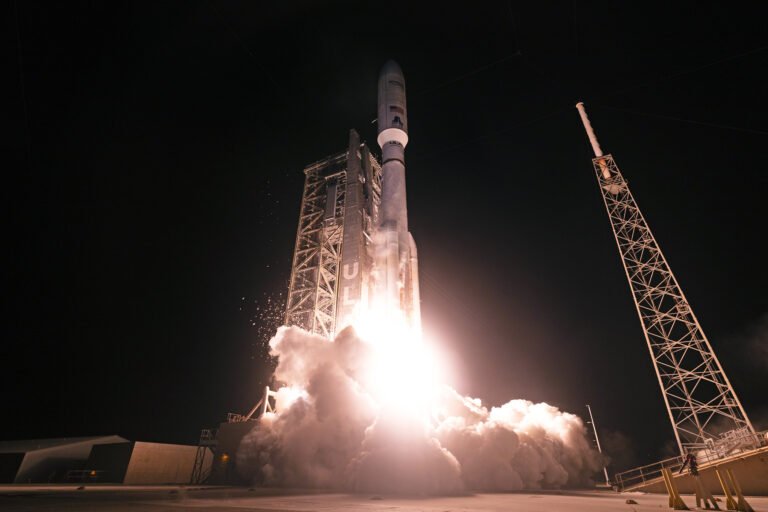
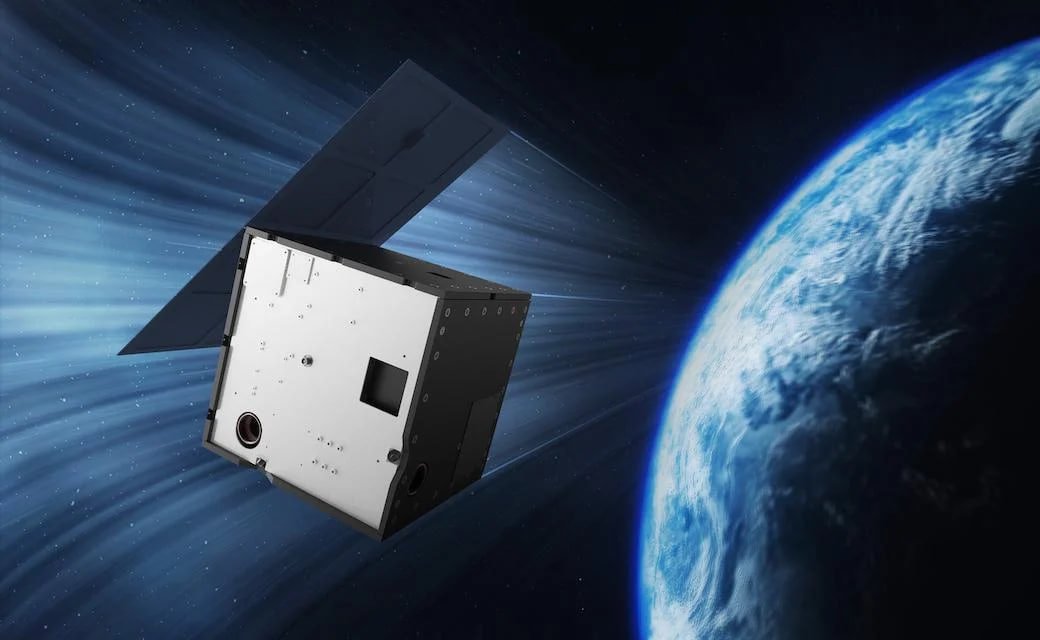
The Space Force launched the Victus Haze mission on 19 June from Rocket Lab’s spaceport in New Zealand, using an Electron launch vehicle. The launch occurred just 16 hours and 42 minutes after the USSF issued orders, breaking the previous record set during the first Tactically Responsive Space (TacRS) demonstration in 2023. The mission involves two spacecraft: True Anomaly’s Jackal satellite, which launched in mid-May via a SpaceX Transporter rideshare, and Rocket Lab’s Puma satellite, which was carried on the TacRS launch.
Rapid Activation and Maneuvers
Rocket Lab reported that Puma was fully activated and ready for its first orbital maneuver around Jackal within 37 hours and 36 minutes of launch. The company stated this timeline was 34 hours ahead of the mission’s target of 72 hours.
True Anomaly announced on 1 July that Jackal completed its first operational Victus Haze sortie. The company also had a 72-hour deadline, which it met in 61 hours. According to True Anomaly, the mission included multiple circumnavigations of Puma, which was acting as a “noncooperative target spacecraft.” Jackal provided “multiaspect imaging and characterizations” to the Space Force, with True Anomaly’s Mosaic software platform planning the sortie, commanding the satellite’s maneuvers, and processing the imagery.
“Jackal performed exactly as designed, demonstrating precise propulsion burns and nominal ingress, successful closed-loop tracking, precision pointing, imaging and characterization of the target before egressing to its base orbit,” True Anomaly said in a statement. “From a new target’s launch to finished imagery, the mission clock ran in hours, not months.”
The company also confirmed that Jackal demonstrated precise propulsion burns and target characterization before returning to its base orbit.
Future Missions
The Space Force has not specified how long the Victus Haze mission will last. In a statement on 22nd June, the service said it plans to use the satellites for live rendezvous proximity operations training. The successful mission could lead to rapid satellite production contracts for both companies, but the service has not discussed those plans in detail.
Space Systems Command’s Space Safari Office has at least three more TacRS missions scheduled over the next two years. These include Victus Surgo, a mission cosponsored by the Defense Innovation Unit that will feature a SpaceX Falcon 9 launching a highly maneuverable spacecraft built by Impulse Space; Victus Salo, another Falcon 9-supported mission carrying a payload built by the Massachusetts Institute of Technology; and Victus Sol, launched by Firefly’s Alpha, which will carry an operational payload.
The service also conducted a two-part tabletop exercise and field excursion called Victus Diem between summer 2025 and early 2026, designed to solidify its responsive launch processes, such as rapid payload processing.