No place like home
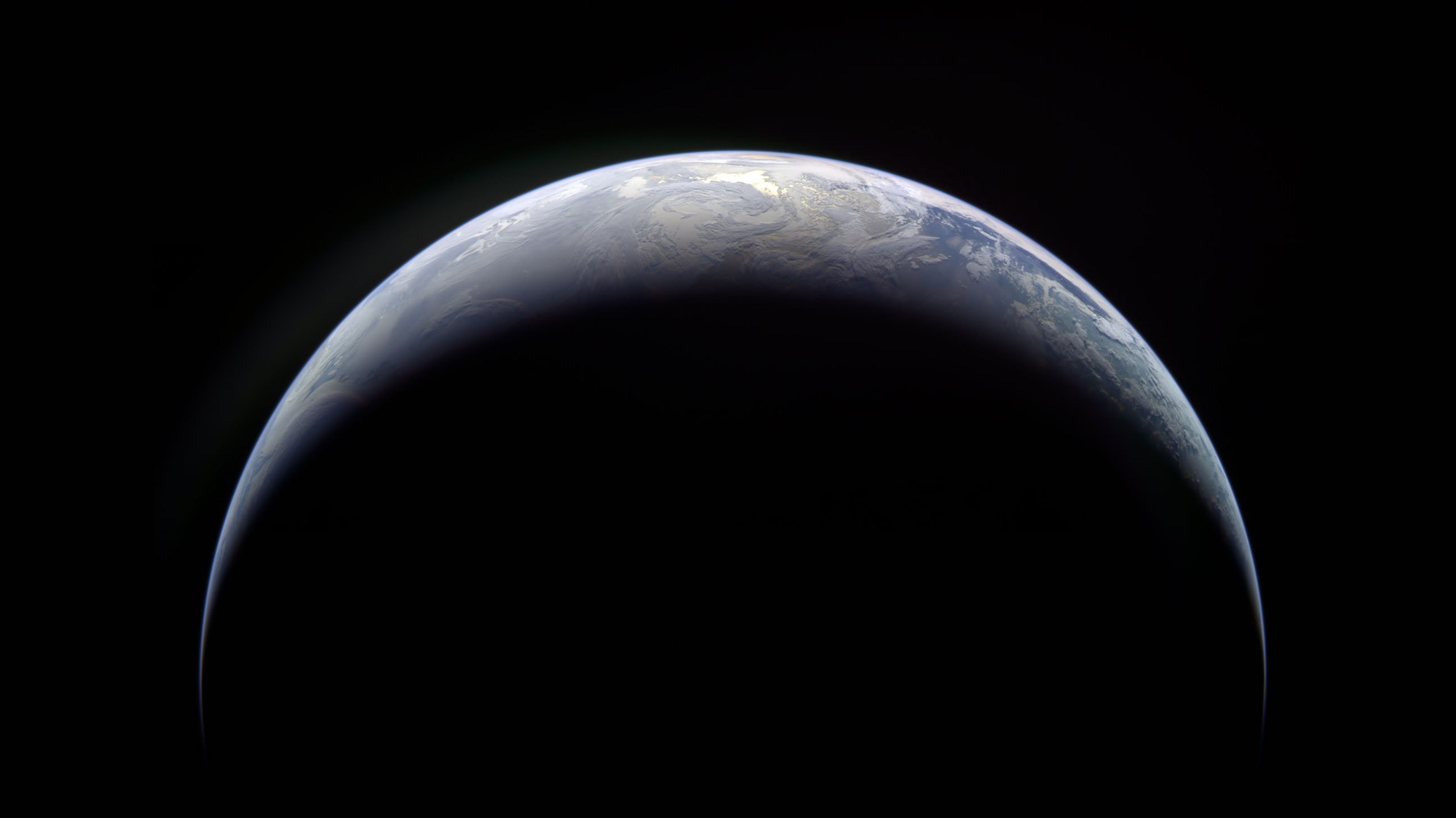
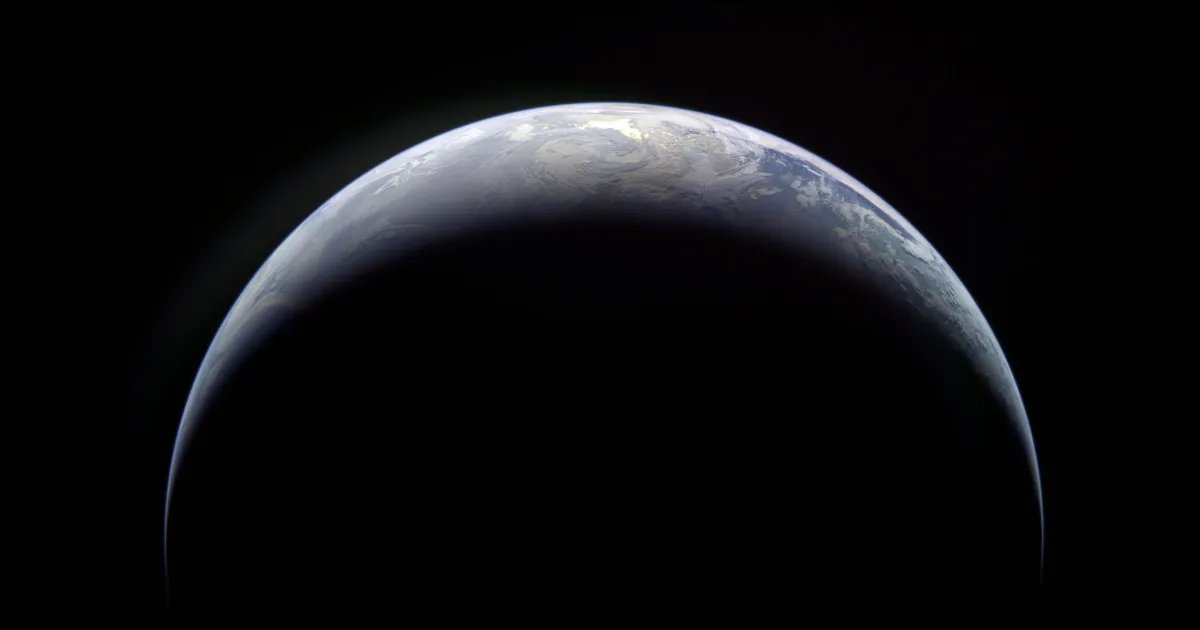
The European Space Agency’s Rosetta mission snapped this stunning picture of a crescent Earth during a Nov. 13, 2009, flyby of our planet. This was the final Earth flyby on the craft’s journey to its ultimate destination: Comet 67P/Churyumov-Gerasimenko. Credit: ESA/OSIRIS Team MPS/UPD/LAM/IAA/RSSD/INTA/UPM/DASP/IDA/Gordan Ugarković
At the end of the classic 1939 film The Wizard of Oz, after defeating the Wicked Witch of the West, Dorothy Gale squeezes her eyes tightly shut, clicks the heels of her ruby slippers together, and whispers, “There’s no place like home.” And she was right.
Eighty-seven years after cinema audiences were thrilled by that restless Kansas girl’s adventures, we know we live in a spectacular solar system full of wondrous worlds wheeling around a golden Sun. Venus blazes like burning magnesium in our sky, but is a hell planet beneath a deadly atmosphere. Mars, although half Earth’s size, has volcanoes and canyons that dwarf the largest of our own. Jupiter is a bloated ball of gas so huge it could swallow Earth a thousand times over and still have room for more. And Saturn is surrounded by a system of rings that shine in our telescope eyepieces like icy hoops.
But when it comes to pure perfect beauty, Dorothy was right: There is no place like home.
Because while Earth shares the light and heat of the Sun with seven other planets, all fascinating and beautiful in their own right, all with their own unique features, our world is unique again among them. Compared to every other planet, Earth is a lush, green world — an oasis in the dark desert of space. Its forests, oceans, and snow-capped mountains are unlike anywhere in our solar system. And it has one precious, priceless thing no other world has got. No, not Wi-Fi. Not even chocolate or cat videos. Life. Life can be found in our air, in the sea, and everywhere around us. And the fact that Earth is a living world is obvious when you view it from space.
Our views of our home planet have changed dramatically over the years. The first images of Earth taken from the edge of space were grainy, black-and-white photos with little detail. It took years for the quality of those images to improve to the point where it was possible to identify the places caught on them. Over time, as camera and transmission technology improved, the photos got better and better, and their viewpoints got farther and farther away, too.
Let’s look at some of those pictures, recalling how Earth was imaged from ever-more-distant and exotic locales.
The first image of Earth from space
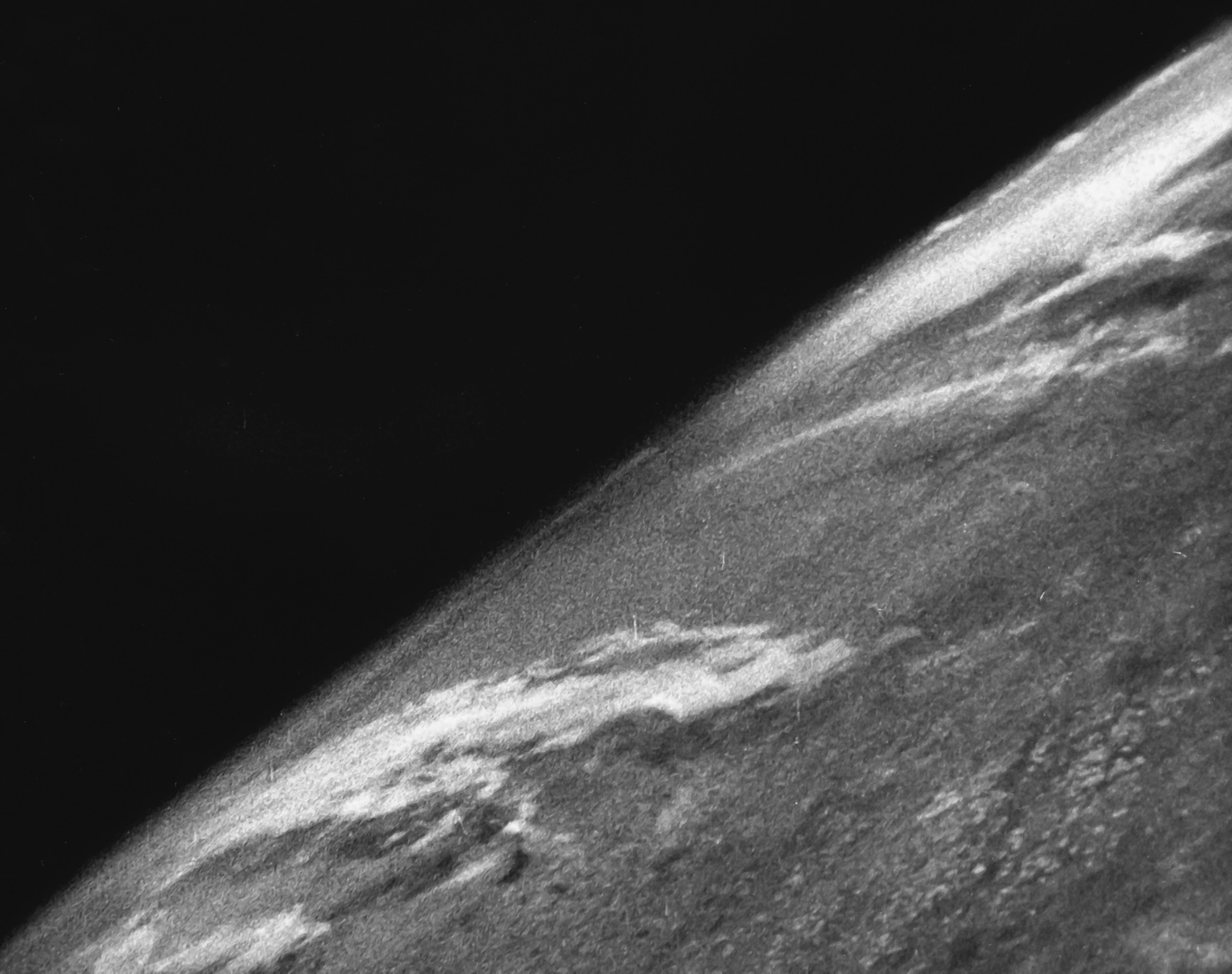
On Oct. 24, 1946, the first image of Earth taken from space was captured by a camera mounted on the outside of a modified German V-2 rocket launched by the U.S. As the V-2 climbed to an altitude of about 65 miles (105 kilometers), its 35mm film camera snapped frames every 1.5 seconds. Although the V-2 was destroyed on impact after falling back to Earth, the camera’s film cassette survived and was recovered. When the images were processed, they revealed an amazing sight: Earth seen from space for the first time, with its curved limb and swaths of clouds casting shadows on the surface below.
The first photo of Earth from orbit
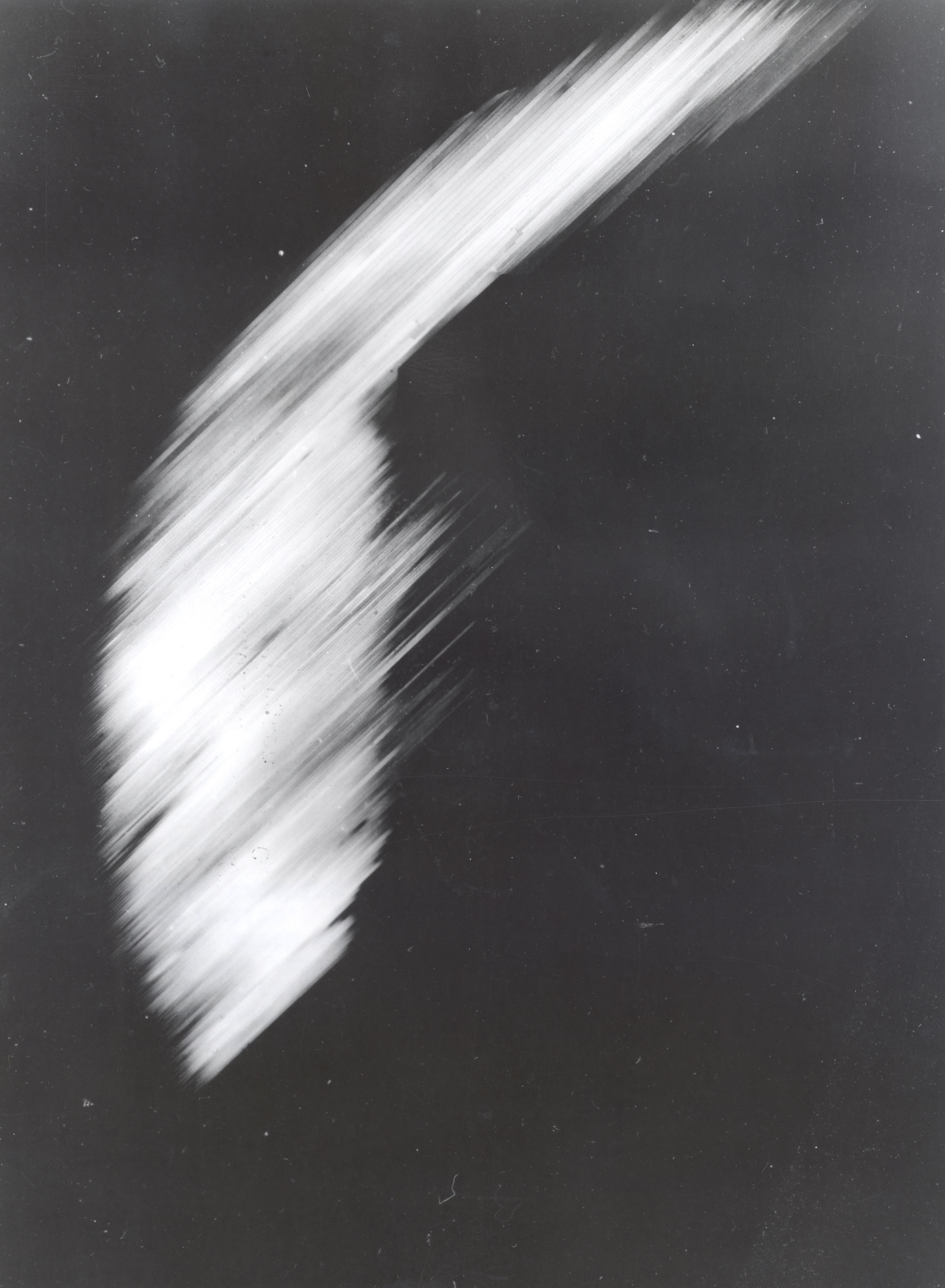
NASA’s Explorer 6 satellite delivered the first image of Earth from orbit on Aug. 14, 1959. Taken from a height of nearly 17,000 miles (27,000 km), the image is very blurry and distorted — understandable given the camera technology of the time. With some processing, it’s possible to make out that it shows a sunlit area of the central Pacific Ocean with cloud cover.
It took 40 minutes for the orbiting Explorer 6 to transmit its photo of Earth to the ground.
First image of Earth from the Moon
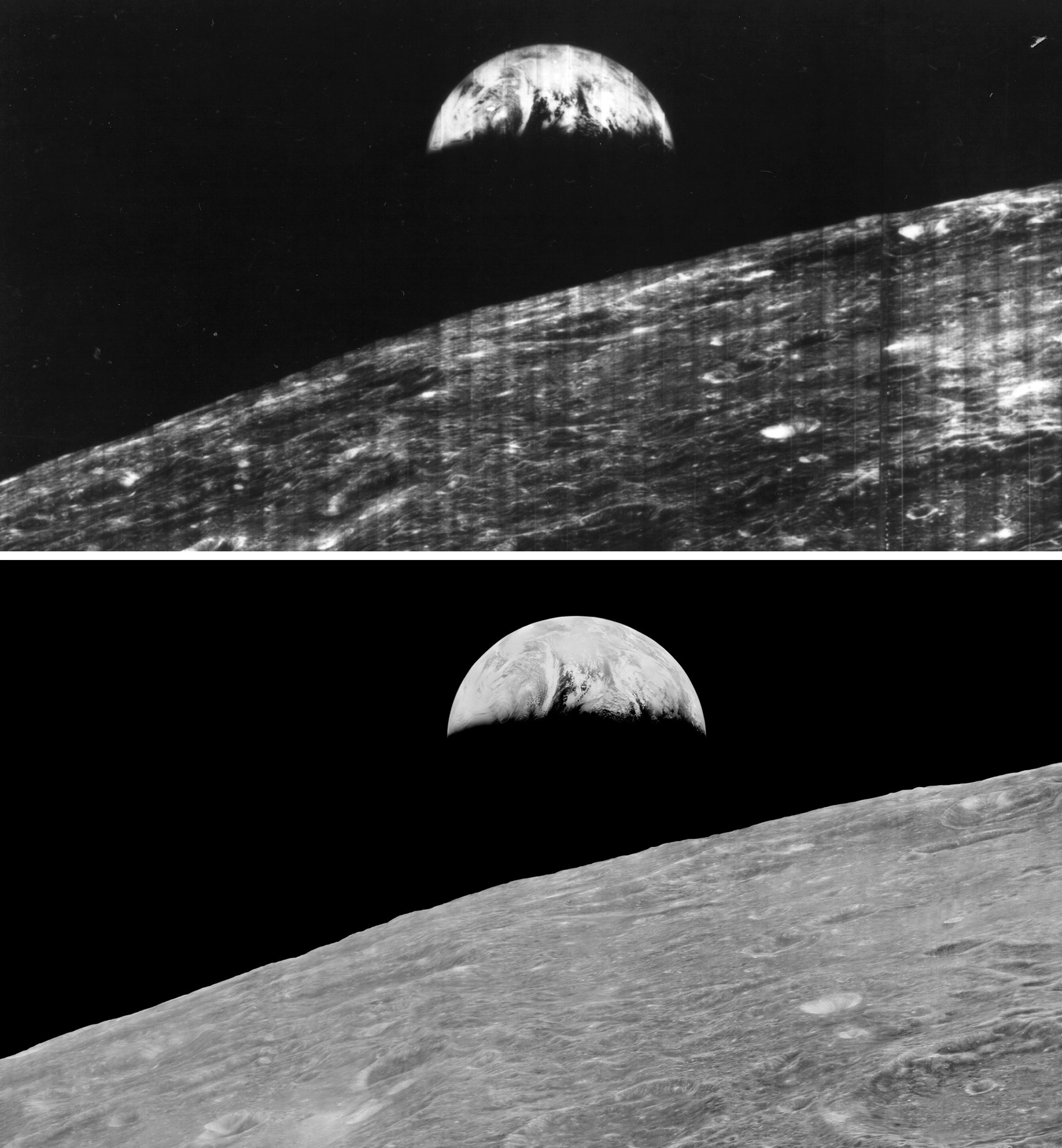
It was several more years before we gained a new vantage point. The first time we saw Earth from the Moon was Aug. 23, 1966, in a photo captured by the Lunar Orbiter 1 satellite. It was remarkable for its time, showing Earth’s crescent disk above the curved limb of the Moon, but fuzzy and vague compared to the glorious, pin-sharp, full-color views of Earth from the Moon we are used to seeing today. However, in 2008, this historic image was restored by the Lunar Orbiter Image Recovery Project at NASA’s Ames Research Center. Using images stored on the last surviving set of the original data tapes from the mission, technicians applied modern image processing equipment and techniques to sharpen and enhance the image.
“Earthrise” from lunar orbit
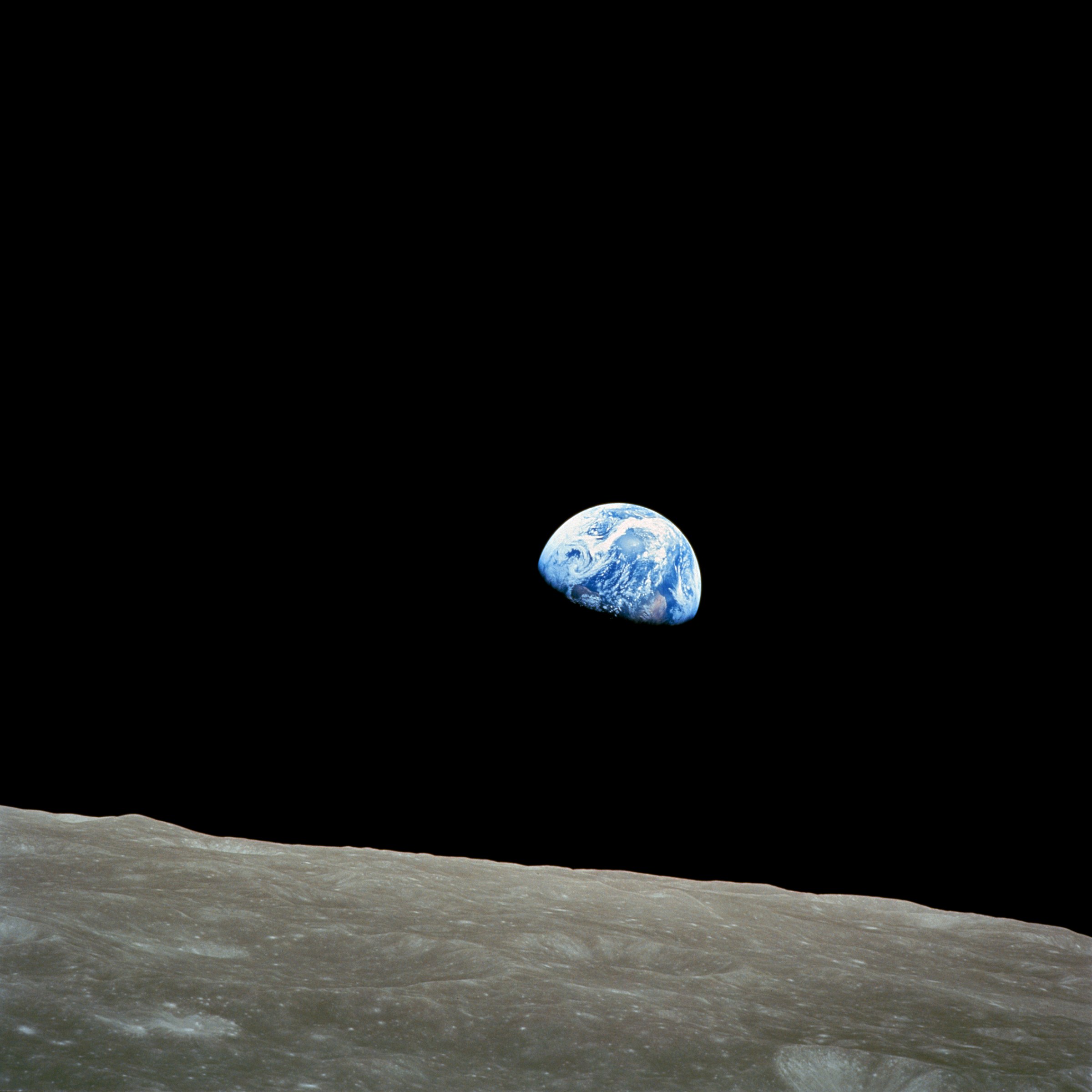
One of the best-known photos ever taken of Earth from space was captured on Christmas Eve 1968. As people nearly a quarter million miles (400,000 km) away were busy with last minute gift-wrapping, three astronauts were orbiting the Moon. After the crew of Apollo 8 made history by becoming the first humans to fly to the Moon, they continued to work through long to-do lists, floating inside their Command Module. As he worked, astronaut Bill Anders took a look out the window and saw a spectacular and unexpected sight: the illuminated Earth rising up quickly from behind the barren lunar horizon. “Oh my God, look at that picture over there! There’s the Earth coming up. Wow, is that pretty!” Anders shouted excitedly, first snapping a black-and-white photo.
“Hey, don’t take that, it’s not scheduled,” Commander Frank Borman teased, as Anders asked fellow astronaut Jim Lovell, “You got a color film, Jim? Hand me a roll of color, quick, would you?”
“Oh man, that’s great,” Lovell agreed, as Anders took three photos in total, the first color photos of Earth taken from the Moon. One of those photos came to be known simply as “Earthrise,” and it has become one of the most famous photographs ever taken.
Earth views from Artemis 2
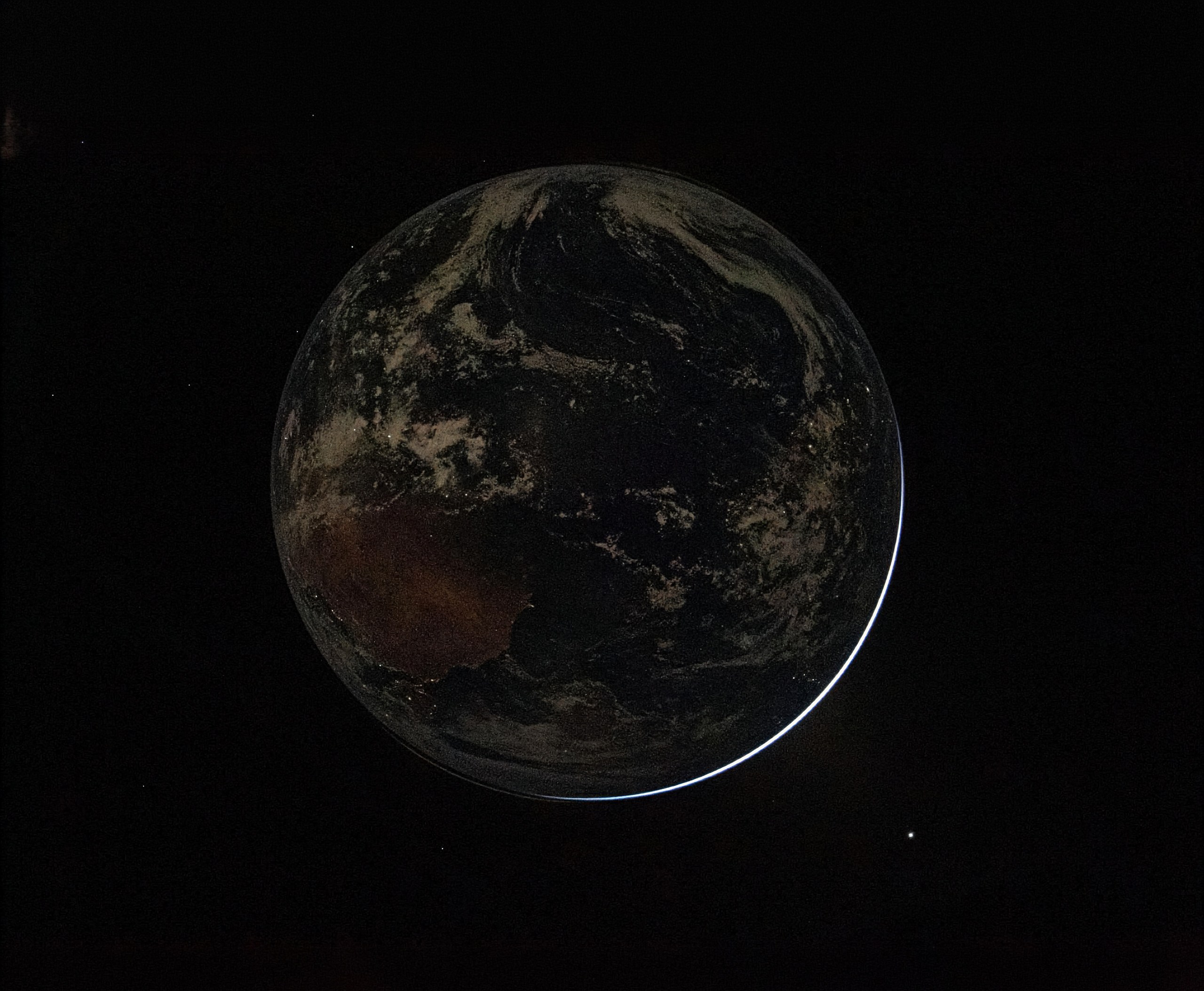
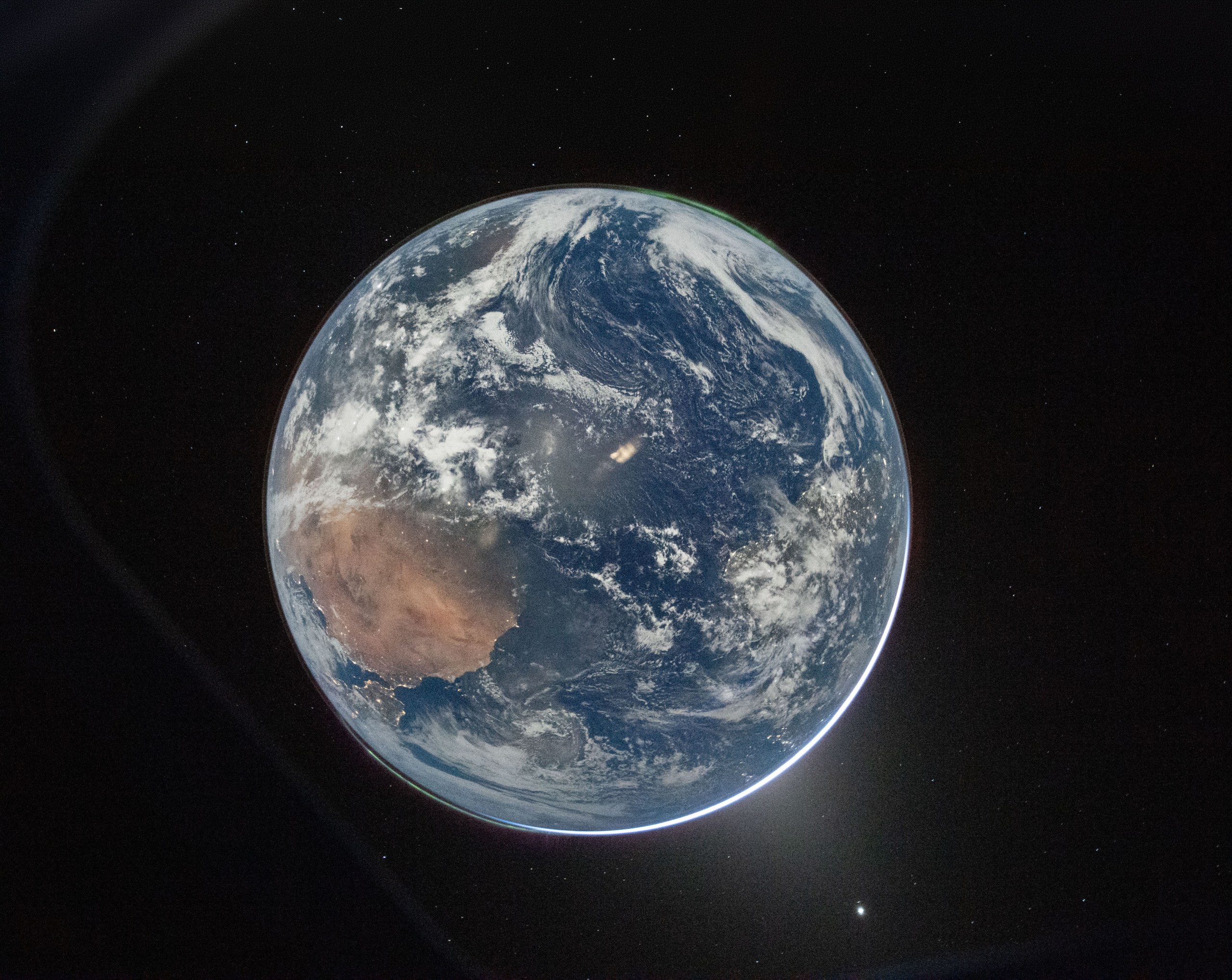
During the Artemis 2 mission, which took four astronauts around the Moon and back again in early April 2026, many photos were taken of Earth — so many, in fact, that the crew apparently filled several memory cards with images of their home planet. Of course, like all good photographers going on a long trip, they packed plenty of spares.
On April 2, shortly after the Orion crew capsule Integrity boosted out of Earth orbit with its translunar injection engine burn, heading for the Moon, Mission Commander Reid Wiseman gazed out the window and took a pair of stunning images of Earth as it began to silently fall away. One showed Earth as a dark disk, with the golden lights of towns and cities shining on its nightside like candle flames or campfires. The other captured the dark side of Earth illuminated by moonglow, the faint light of the distant but beckoning Moon. (Or, more accurately, sunlight bouncing off the surface of the Moon.) This image didn’t just show Earth’s swirling clouds and coastlines — it also captured the green glow of aurorae over its poles, and even stars and the bright, burning spark of Venus in the sky nearby. The astronaut’s loving portrait of Earth has already been hailed as a “Blue Marble” for modern times, in homage to the original full-globe “Blue Marble” image taken in December 1972 by Apollo 17 astronaut Harrison Schmidt, one of the last two humans (thus far) to walk on the Moon.
“We do not leave Earth but we choose it … We will inspire, but ultimately we will always choose Earth.”
Christina Koch, Artemis 2
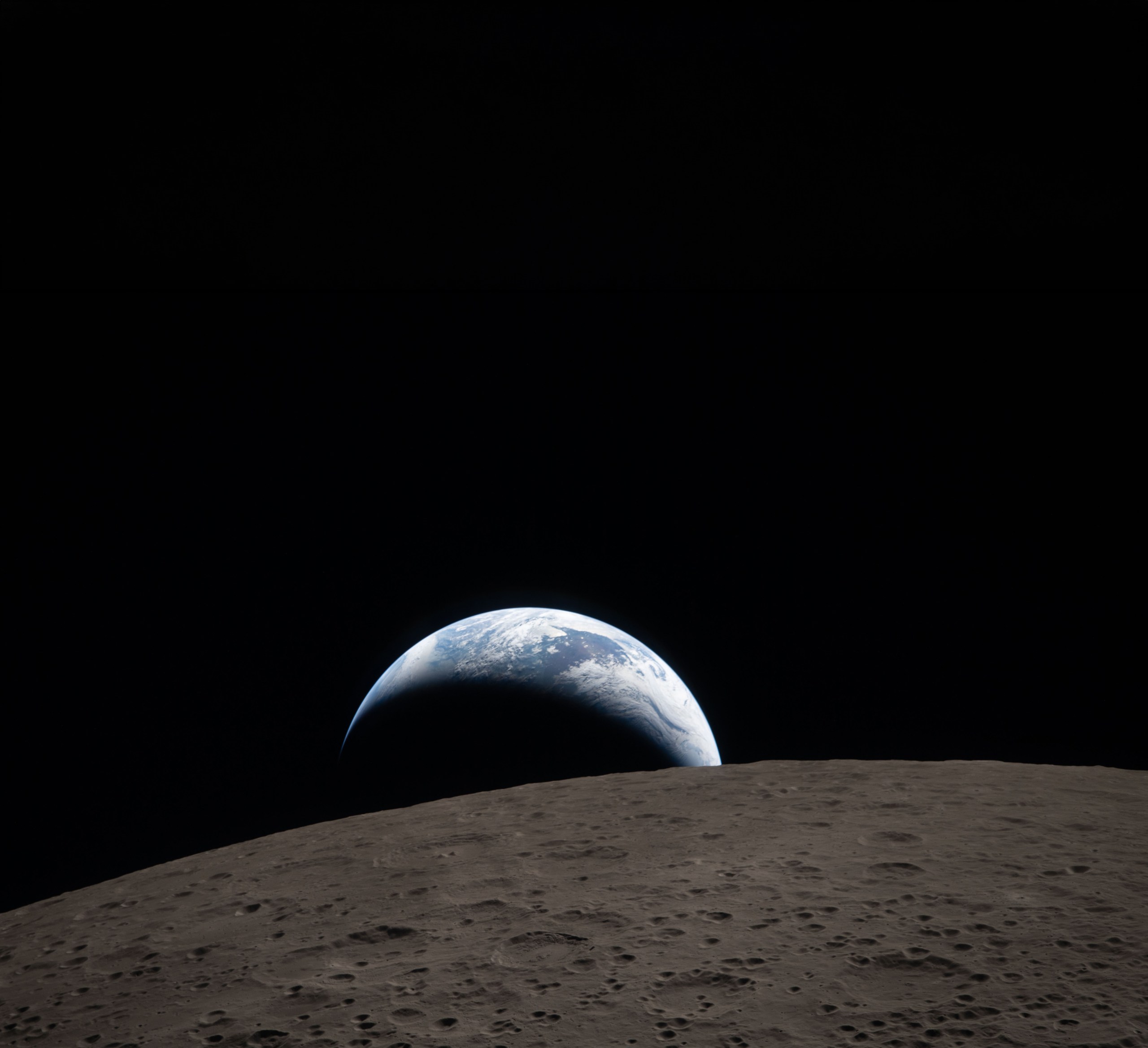
Before the launch of Artemis 2, NASA officials discussed the possibility of the crew capturing a new “Earthrise” image to re-create and honor the iconic image taken during the Apollo 8 mission. On April 6, as their capsule flew around the Moon, they didn’t just take one image out the window; they took a whole sequence of images of the crescent Earth. These Artemis 2 images actually show “Earthset” and not Earthrise, as our planet appears to sink closer and closer to the lunar limb over time from the capsule’s perspective. The contrast between the Moon’s lifeless, soil-brown surface, spattered with craters, and the achingly beautiful sapphire blue and snow-white crescent of Earth hanging above it, shining like a Christmas tree bauble against the blackness of space, will hopefully serve to inspire a new generation.
More views from the Moon
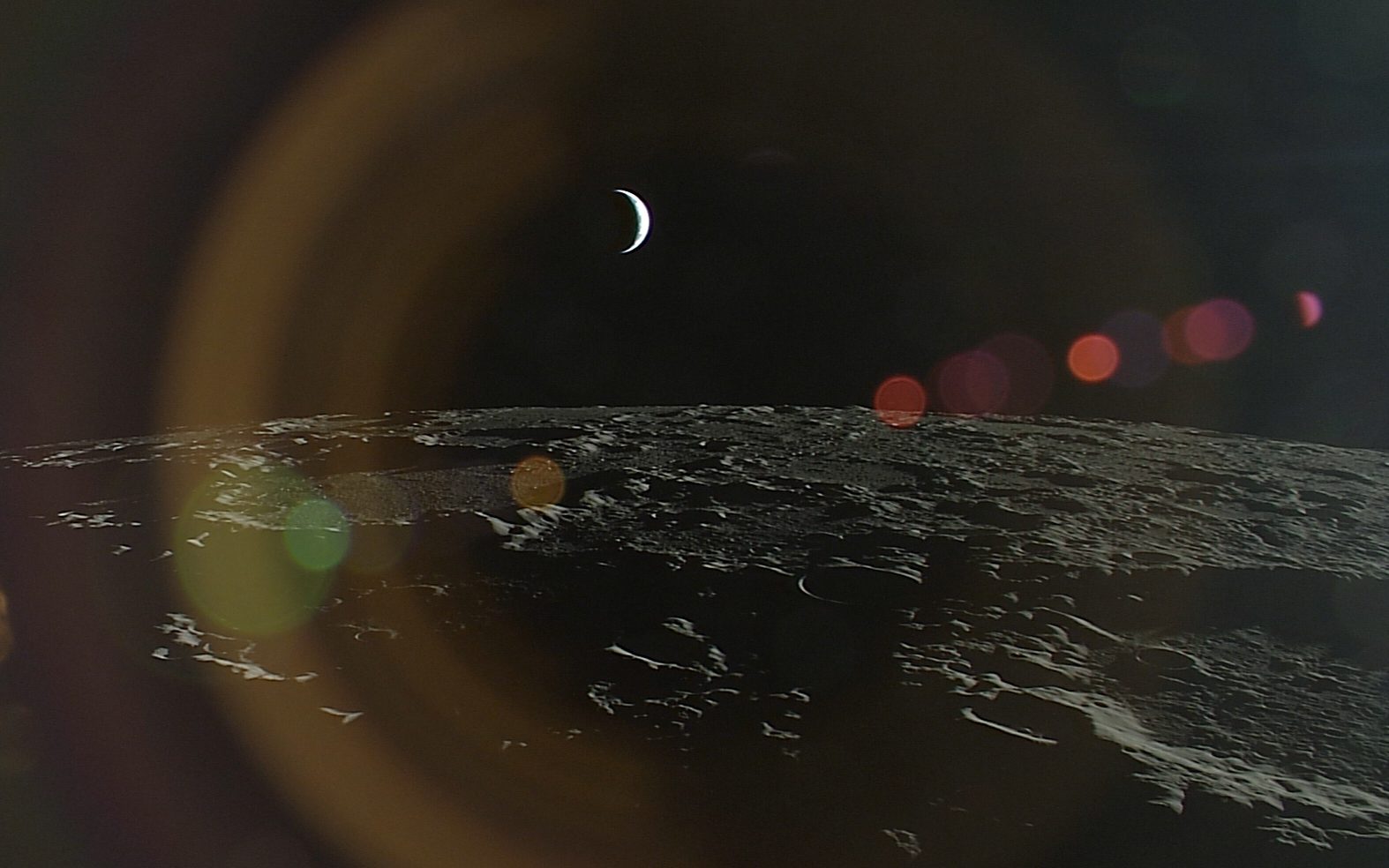
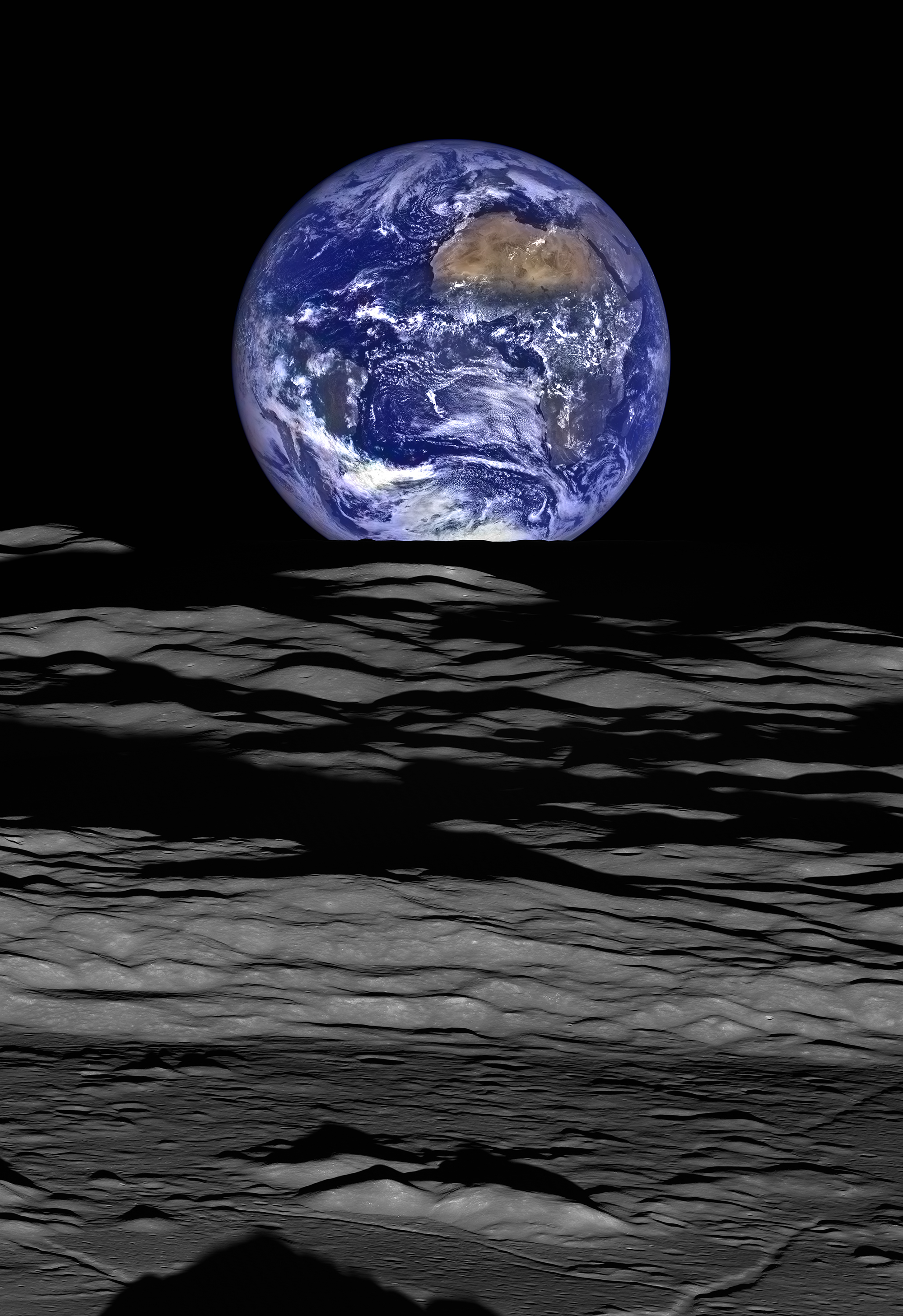
As beautiful as the famous Apollo and Artemis images are, it has to be said that many other beautiful images of Earth have been taken from the Moon in the intervening years — albeit by satellites and probes, not people. The Japanese Kaguya mission’s high-definition video cameras shot amazing footage as it orbited the Moon, catching Earth rising or setting many times. NASA’s Lunar Reconnaissance Orbiter has captured many images of Earth too, the most spectacular of which may be its own version of “Earthrise”: a breathtaking shot showing a nearly whole Earth above the limb of the Moon, taken Oct. 12, 2015.
Earth as seen from Mars
When Neil Armstrong and Buzz Aldrin walked on the Moon in 1969, many Americans believed that Apollo 11 was just the first step on an epic journey deeper into the solar system, and that it would not be long before astronauts crumped their boots onto the ruddy dust of Mars, too. Sadly, that future has not come to pass. More than half a century after NASA first abandoned the Moon, we are still several years from human explorers setting foot on our nearest neighbor again, and landing humans on Mars remains an aspiration with no set date.

But in the meantime, many robot explorers have been sent to the Red Planet and have subsequently seen Earth in its sky. On April 29, 2005, 449 sols (a sol is a martian day) after its dramatic landing in Eagle Crater, NASA’s Opportunity Mars rover turned its panoramic camera away from the rocks and dust dunes to point toward the sky. The Sun had set an hour earlier, leaving a deepening twilight, and as the first pale stars began to come out, the rover’s camera took a photo of a bright bluish dot shining just above the horizon. It was Earth.
Eight years later, on Jan. 31, 2014, at the end of its 529th sol exploring and studying Gale Crater, NASA’s Curiosity rover took its own photo of Earth. The nuclear-powered rover’s Mast Camera is much better than the ones carried by Oppy, so the image is sharp enough to also show the Moon, shining just below Earth.
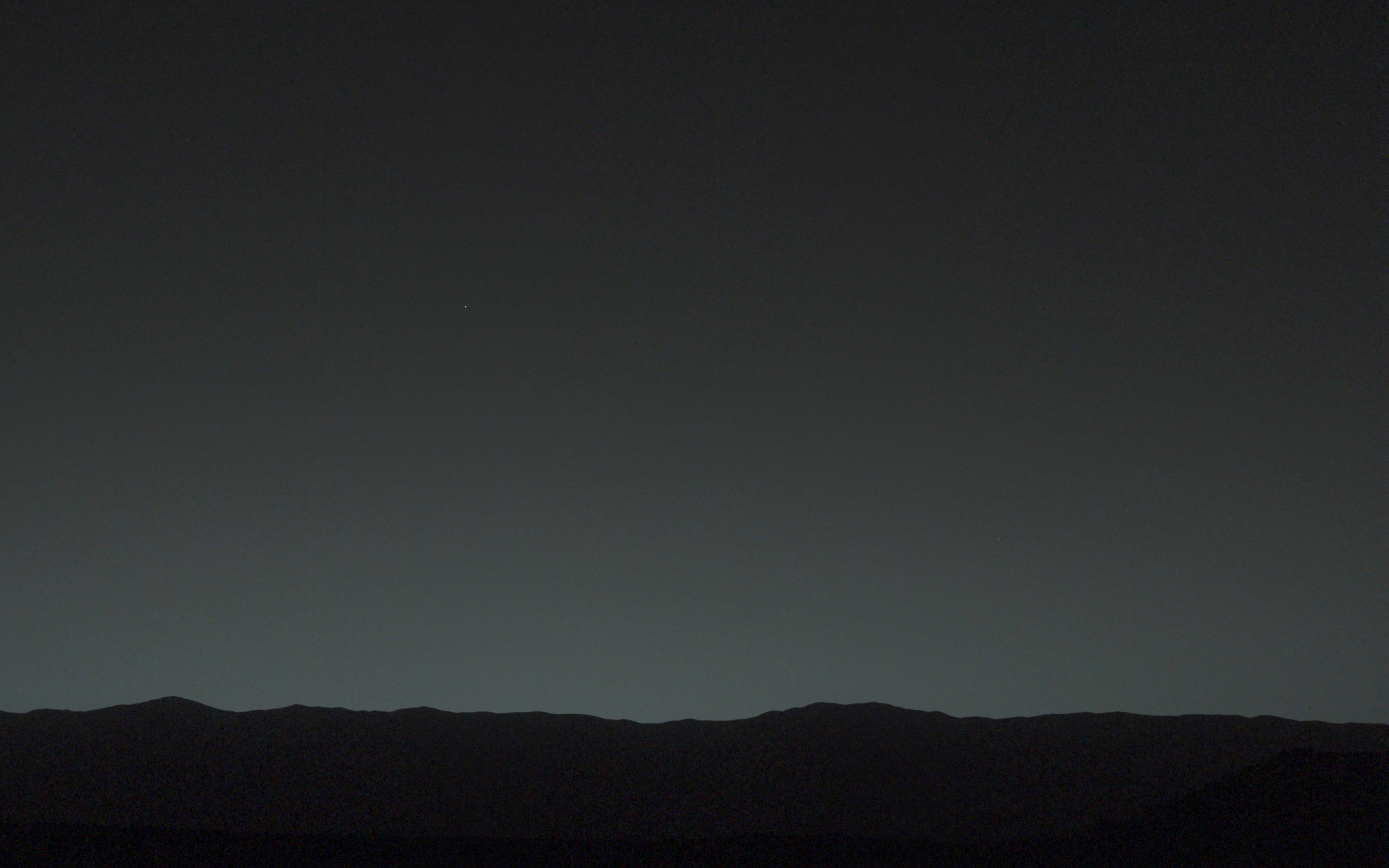
The first image of Earth from Mars was taken by the Mars Exploration Rover Spirit on March 8, 2004.
Earth from Saturn
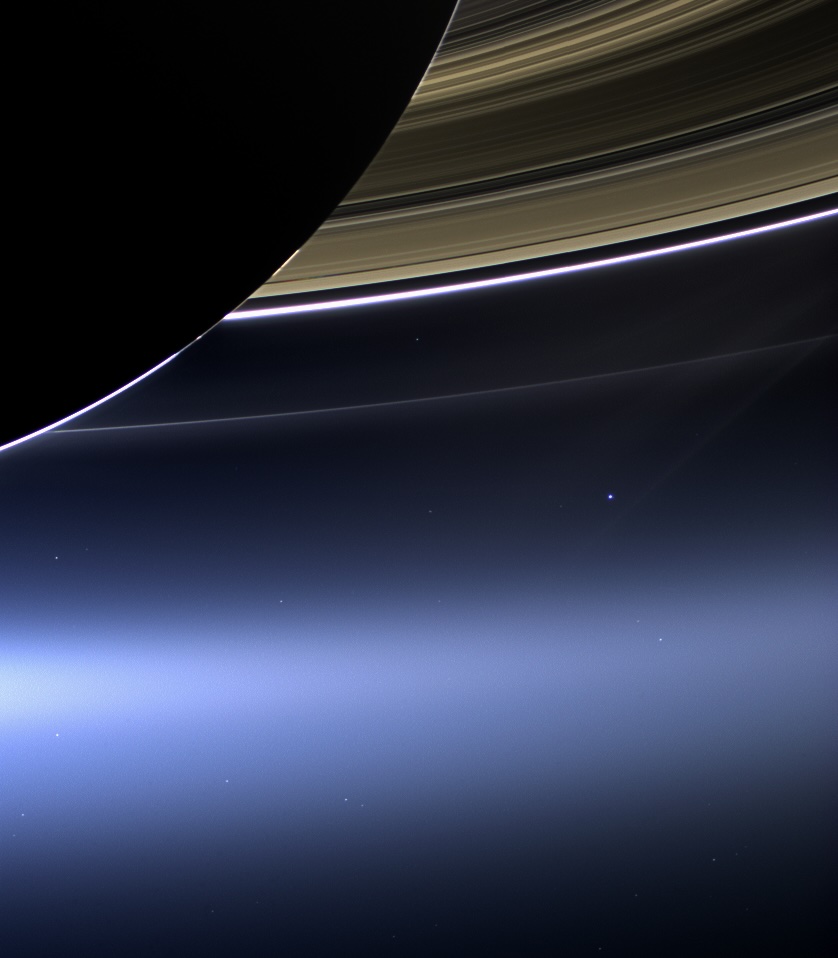
On July 19, 2013, millions of people around the world stopped what they were doing to stare up at the sky. You might have been one of them. Why? Thanks to NASA’s Wave at Saturn campaign, they were posing for a photo unlike any ever taken before: a portrait of Earth taken by a robot orbiting another planet, nearly 900 million miles (1.4 billion km) away. The planet was Saturn, the robot the Cassini spacecraft, and the image it took using its wide-angle camera came to be known as “The Day the Earth Smiled.” With the bright glare of the Sun blocked by Saturn’s disk, the photo clearly shows Earth as a beautiful silvery-blue point — the brightest point of light beneath Saturn’s famous rings, right of center. Zoom in, and our Moon can be seen shining close by (inset).
The farthest photo of Earth
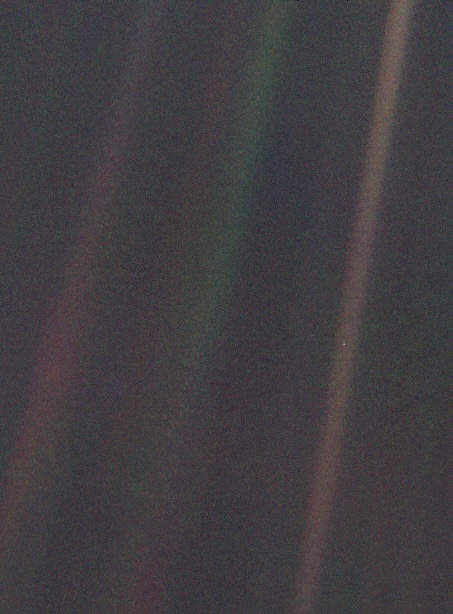
The most distant photo of Earth to date was taken 36 years ago by a robotic space probe that had left our planet 13 years earlier. Voyager 1 was one of two identical probes that NASA sent on a Grand Tour of the outer solar system, after realizing that a rare alignment of the planets would allow the craft to hopscotch between them one after another in a relatively short time. After its launch on Sept. 5, 1977, Voyager 1 sped toward and then past Jupiter and Saturn, imaging the planets and their moons in never-before-seen detail and making many discoveries before heading off into deep space. That left Voyager 2 to complete the tour with additional flybys of Uranus and Neptune.
By Valentine’s Day 1990, Voyager 1 was 3.7 billion miles (6 billion km) from the Sun (beyond Neptune’s orbit) when its operators swept its camera platform across the space behind it, hoping to capture a unique panoramic “family portrait” of the solar system. They succeeded. One image of the 60 taken contains Earth. Our planet is so small and so far away that it is just a tiny blue dot, barely a pixel across. The historic image inspired the title of scientist Carl Sagan’s bestselling 1994 book, Pale Blue Dot: A Vision of the Human Future in Space, in which he wrote about Voyager’s view of distant Earth: “Look again at that dot. That’s here. That’s home. That’s us. On it everyone you love, everyone you know, everyone you ever heard of, every human being who ever was, lived out their lives … on a mote of dust suspended in a sunbeam.”
What’s next?
In the years to come, many more photos of Earth will be taken from space.
Artemis crews will surely send us images of Earth scraping the horizon from their landing site on the rim of Shackleton Crater at the Moon’s south pole. And, who knows how many years later, the first astronauts to set foot on Mars will take pretty postcard views of Earth shining as a brilliant evening star in the plum-hued martian sky after sunset. One day a probe or rover might even send back an image of Earth shining through one of the icy plumes gushing from the tiger stripe fissures at Enceladus’ south pole.
Of course, the challenge of imaging our planet grows with distance. It will be a long time before an image of Earth is taken from a distance greater than Voyager’s “Pale Blue Dot” — if ever. But regardless of the distance and challenge, every new view of Earth shows us something no other world in the solar system can claim: our home.
Stuart Atkinson is an amateur astronomer and writer who lives in England.