NASA Selects 41 Space Tech Projects to Support Future Moon and Mars Missions
NASA has picked more than 40 new space technology projects from U.S. companies, aiming to help build a long-term presence on the Moon and prepare for human missions to Mars. The agency will work with the companies through collaboration agreements instead of traditional contracts.
Partnerships Instead of Contracts
The 41 proposals come from 37 firms that responded to NASA’s 2025 Announcement of Collaboration Opportunity. Under this programme, companies work with NASA engineers and use agency labs, tools, and software to mature their own technologies. The goal is to create systems that can serve both commercial customers and future government missions.
NASA says it has already supported more than 110 such projects since the scheme began in 2015. The agency estimates that about 30 million dollars’ worth of internal resources will support the new agreements, with industry putting in roughly 32 million dollars of its own investment. Each collaboration will run for one to two years.
What Kinds of Tech Are Included?
Companies had to propose solutions in areas that benefit from fast, public‑private development. These include propulsion, guidance and navigation, landing systems, in‑space servicing and manufacturing, and energy management.
One highlight is a power project from Lockheed Martin. The company will work on a compact, modular energy system designed to provide electricity in parts of the Moon that never see sunlight, where surviving the two‑week‑long lunar night is a major challenge. Lockheed is also advancing wireless power beaming using fibre lasers and a space‑based cooling system to transmit power without cables over long distances.
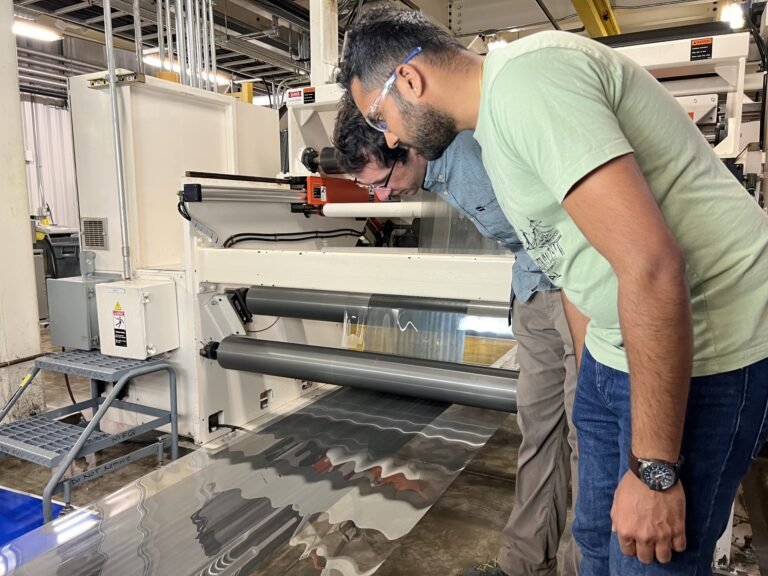
Another project, from Kall Morris Inc., focuses on in‑orbit logistics. Their Asteria system is a payload attachment device that can stick to existing and future satellites using a controlled‑release adhesive, without needing special mounting points. It could support new manoeuvres, better tracking of objects, extra sensors, and life‑extension services for satellites.
A smaller firm, Moonprint Solutions, is tackling lunar dust. The company plans flexible isolation covers to shield rover joints, hoses, robotic arms, and other moving parts from abrasive dust that can damage equipment on the Moon or Mars. Because the covers can adapt to complex shapes, they could be used on many different systems during long‑term surface operations.
Boosting Commercial Space
NASA expects some of these projects to open new markets or lower the cost of existing services, from power and logistics to surface operations. The agency is inviting other organisations to explore similar collaboration opportunities and to tap into its space technology programmes as it pushes toward sustainable exploration beyond Earth.