Why are Heavy-Lift Rockets Essential for Launching Large Payloads and Future Space Colonization Efforts?

In the world of space exploration, heavy-lift rockets are crucial for launching large payloads and enabling ambitious space missions. These rockets, which are capable of carrying significant loads into space, play an essential role in scientific research, human spaceflight, and the pursuit of future space colonization efforts. With their unique capabilities and potential, heavy-lift rockets are poised to shape the future of space exploration in ways that were once unimaginable.
Key Takeaways:
- Heavy-lift rockets are essential for launching large payloads and enabling ambitious space missions.
- These rockets play a crucial role in scientific research, human spaceflight, and space colonization efforts.
- With their unique capabilities and potential, heavy-lift rockets are poised to shape the future of space exploration.
Understanding Heavy-Lift Rockets
Heavy-lift rockets are critical to the success of space exploration and colonization efforts. These rockets have the capacity to launch large payloads into space, such as satellites, space telescopes, and even entire spacecraft. Their capabilities make it possible to accomplish crucial research and exploration activities that would not be feasible without them.
The Capabilities of Heavy-Lift Rockets
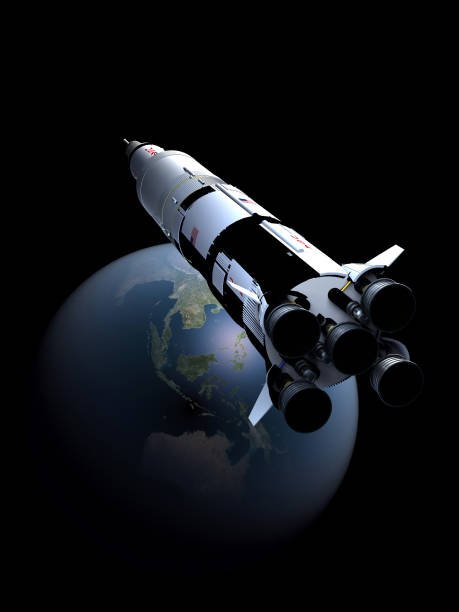
Heavy-lift rockets have unique capabilities that make them essential for space missions. For example, the Saturn V rocket, developed by NASA in the 1960s, had the capacity to lift over 100,000 pounds into orbit. This made it possible to launch the Apollo spacecraft and send humans to the moon. Today, heavy-lift rockets like the SpaceX Falcon Heavy have similar capabilities and are being used for a variety of space-related endeavors.
Heavy-Lift Rockets and Space Exploration
Heavy-lift rockets are crucial to the success of space exploration missions because they allow for the launch of large and complex payloads. For example, the Hubble Space Telescope, one of the most significant scientific instruments ever created, was launched into space using the Space Shuttle, a heavy-lift rocket. The telescope would not have been possible without a heavy-lift rocket’s capacity to transport it into orbit.
Additionally, heavy-lift rockets are instrumental in planetary exploration. They can send spacecraft on long-distance missions, such as the Mars Rover, which was launched using an Atlas V rocket, another type of heavy-lift rocket. The rover has been exploring the Martian surface for over a decade, collecting valuable data and helping us understand more about the planet.
The Potential for Future Space Colonization Efforts
Heavy-lift rockets have the potential to enable future space colonization efforts by making it possible to transport large payloads and people into space. For example, NASA’s Space Launch System, designed to be the most powerful rocket ever built, is being developed with the goal of sending humans back to the Moon and eventually to Mars. Such missions would require heavy-lift rockets to transport the necessary resources and equipment to the destinations.
In conclusion, heavy-lift rockets possess unique capabilities that make them essential for space exploration and colonization efforts. They have advanced space missions by enabling the launch of large payloads into orbit, conducting scientific research, and even transporting humans beyond Earth. As technology continues to advance, the potential applications of heavy-lift rockets will only continue to expand, ushering in new eras of space exploration that would not have been possible without them.
Evolution of Heavy-Lift Rocket Technology
Since the first satellite launch in 1957, the history of rocket technology has been one of constant advancements and innovations. In the decades that followed, heavy-lift rockets have played an instrumental role in enabling space missions of increasing complexity and ambition.
The early pioneers of rocket technology, including Robert Goddard and Wernher von Braun, laid the foundation for the development of modern heavy-lift rockets. The first generation of these rockets, including the Saturn V launched in 1967, represented a significant leap forward in terms of payload capabilities and range. The Saturn V, for example, could carry up to 140,000 pounds into Earth’s orbit, making it a critical asset in the Apollo missions to the Moon.
| Rocket Type | Payload Capacity (lbs) | Launch Year |
|---|---|---|
| Saturn V | 140,000 | 1967 |
| Ariane 5 | 44,000 | 1996 |
| Delta IV Heavy | 63,470 | 2004 |
Over the following decades, rocket technology continued to advance, with the advent of new propulsion systems and materials science helping to enhance the efficiency and capabilities of heavy-lift rockets. The Ariane 5, first launched in 1996, introduced a new era of commercial space launches, while the Delta IV Heavy, introduced in 2004, was designed specifically for military and intelligence operations.
The development and refinement of heavy-lift rocket technology have enabled a wide range of space missions, including robotic explorations of other planets such as the Mars Curiosity rover and the successful landing of the Huygens probe on Saturn’s moon Titan. Heavy-lift rockets have also played a crucial role in placing satellites into orbit, facilitating remote sensing, communications, and meteorology operations that underpin modern society.
The Role of Heavy-Lift Rockets in Scientific Exploration
Heavy-lift rockets play a critical role in supporting scientific missions and research endeavors in space. From launching space telescopes to conducting robotic missions to other planets, heavy-lift rockets have enabled vital research in microgravity environments.
Space Telescopes
One of the most significant applications of heavy-lift rockets in scientific exploration is launching space telescopes. These telescopes are designed to capture data and images of astronomical objects that are difficult to observe from Earth’s surface.
The Hubble Space Telescope, launched in 1990, is perhaps the most well-known example of a space telescope launched using heavy-lift rockets. The Hubble has contributed to numerous scientific discoveries, including determining the age of the universe and providing evidence of dark energy.
Beyond the Hubble, several other space telescopes, including the Chandra X-ray Observatory and the Spitzer Space Telescope, were launched using heavy-lift rockets and continue to produce groundbreaking research in their respective fields.
Robotic Missions to Other Planets
Heavy-lift rockets have also enabled robotic missions to other planets, providing valuable data and insights into the composition and history of our solar system.
In 2012, the Mars Science Laboratory, also known as the Curiosity rover, was launched using an Atlas V rocket. This rover has made several significant discoveries on Mars, including finding evidence of a habitable environment in the planet’s past.
The Mars 2020 mission, which launched the Perseverance rover to the red planet in July 2020, was also dependent on a heavy-lift rocket. The Perseverance rover’s primary objective is to search for signs of ancient microbial life on Mars and cache samples for potential return to Earth.
Conducting Vital Research in Microgravity Environments
Heavy-lift rockets have facilitated the study of microgravity environments, which cannot be replicated on Earth. This research has yielded numerous advancements in fields such as medicine, materials science, and physics.
In 1998, the first module of the International Space Station (ISS) was launched using a Russian Proton rocket. Since then, numerous heavy-lift rockets from multiple countries have been used to launch additional modules and supplies to the ISS.
The research conducted on the ISS has led to numerous breakthroughs, including the development of new cancer treatments, improved firefighting techniques, and advancements in the study of fluid dynamics.
In conclusion, heavy-lift rockets play a crucial role in facilitating scientific exploration in space. Through launching space telescopes, robotic missions to other planets, and conducting vital research in microgravity environments, heavy-lift rockets have enabled numerous scientific breakthroughs and discoveries.
Enabling Human Spaceflight with Heavy-Lift Rockets
Heavy-lift rockets have played a crucial role in enabling human spaceflight missions, both past, present, and future. With their ability to launch large payloads, these rockets have been instrumental in transporting astronauts to space and to the International Space Station (ISS).
Space agencies like NASA and SpaceX have used heavy-lift rockets to launch crewed missions to the ISS, providing a critical platform for conducting scientific research and advancing our understanding of space.
The ISS has been manned continuously since November 2000 and has been visited by astronauts from different countries. For example, the Russian space agency Roscosmos has transported its cosmonauts to the ISS using their heavy-lift rocket, the Soyuz. Similarly, the Chinese manned spaceflight program has used heavy-lift rockets to launch several crewed missions, including the Shenzhou spacecraft.
As space agencies look to the future, heavy-lift rockets will continue to play a critical role in enabling crewed missions to the Moon, Mars, and beyond. NASA’s Space Launch System (SLS), currently in development, is designed to launch astronauts and payloads into deep space. SpaceX’s Starship, under development, aims to transport people and cargo to the Moon, Mars, and beyond.
These next-generation heavy-lift rockets will provide a new level of capability for human exploration beyond low Earth orbit. They will also enable the transportation of larger payloads, expand the scope of scientific research, and facilitate long-duration space missions.
However, human spaceflight remains a risky endeavor, and safety concerns are always a major consideration. Heavy-lift rockets must meet rigorous safety requirements to ensure the safety of the crew and the success of the mission. Space agencies have to prepare for contingencies and emergencies, as well as thoroughly assessing the risks of each mission before launch.
Nevertheless, heavy-lift rockets offer the potential to expand human presence in space and to push the boundaries of what is possible in scientific exploration. With continued advancements in heavy-lift rocket technology, the prospects for human exploration and space colonization look increasingly promising.
The Challenges of Launching Large Payloads
One of the biggest challenges associated with heavy-lift rockets is the limitations imposed by payload constraints and size limitations. These constraints can significantly impact launch costs and logistics, making it more difficult to execute space missions efficiently.
For instance, the size of the payload can affect the choice and design of the rocket’s propulsion system, as well as the materials used in the rocket’s construction. In some cases, multiple heavy-lift rockets may be required to launch a single large payload, adding to the logistical complexity.
| Payload | Rocket Used | Costs |
|---|---|---|
| International Space Station (ISS) | SpaceX Falcon Heavy | $90 million |
| James Webb Space Telescope | Ariane 5 ECA | $370 million |
| Chang’e 5 Lunar Sample Return Mission | Long March 5 | $146 million |
These challenges require innovative thinking and technological advancements to overcome. For example, the development of more advanced rocket engines, including reusable engines, is critical for reducing launch costs and overcoming size limitations.
Furthermore, the use of modular payloads and launch systems can provide greater flexibility in launching payloads of varying sizes, minimizing the need for customized launch solutions and enhancing cost-efficiency.
In conclusion, while the challenges associated with launching large payloads using heavy-lift rockets are significant, they can be overcome with innovative solutions and technological advancements. By addressing these challenges, we can unlock the full potential of these rockets and enable a new era of space exploration.
The Economics of Heavy-Lift Rocket Launches
The commercial space industry has emerged as a significant player in the satellite deployment market, with heavy-lift rockets providing a means for launching large and complex payloads into orbit. The cost-efficiency of heavy-lift rocket launches has attracted a growing number of private space companies, seeking to capitalize on the expanding market for space-related ventures.
The cost of a heavy-lift rocket launch depends on several factors, including the payload size, destination, and launch site. Generally, heavier payloads require larger rockets and more fuel, resulting in higher launch costs. However, heavy-lift rockets offer significant advantages over smaller rockets in terms of payload capacity and versatility, making them a more attractive option for commercial space missions.
| Rocket | Payload Capacity | Launch Cost |
|---|---|---|
| SpaceX Falcon Heavy | 63,800 kg | $90 million |
| United Launch Alliance Delta IV Heavy | 28,790 kg | $350 million |
| NASA Space Launch System | 130,000 kg | $2 billion+ |
As shown in the table above, the cost of heavy-lift rocket launches can vary widely, with some rockets being significantly more expensive than others. However, the SpaceX Falcon Heavy has emerged as a leader in terms of cost-efficiency, offering a relatively low launch cost and high payload capacity compared to its competitors.
In addition to providing a means for launching satellites, heavy-lift rockets can also facilitate other commercial space ventures, such as space tourism and asteroid mining. Private space companies are investing heavily in these areas, with heavy-lift rockets playing a crucial role in enabling these ventures.
However, the economic viability of these ventures depends on the cost-efficiency of heavy-lift rocket launches. As the demand for space-related services grows, heavy-lift rocket technology will continue to evolve, with a focus on reducing launch costs and enhancing capabilities for commercial space missions.
Heavy-lift rockets and space tourism
In recent years, private space companies have emerged as key players in the space industry, with a focus on developing space tourism as a viable market. Heavy-lift rockets play a crucial role in enabling these endeavors by providing the necessary launch capabilities for suborbital flights.
Private space companies such as Blue Origin and Virgin Galactic are at the forefront of the burgeoning space tourism industry, with both companies offering suborbital flight experiences. These flights provide passengers with a brief taste of space travel, including zero-gravity experiences and awe-inspiring views of Earth.
| Company Name | Launch Vehicle | Passenger Capacity | Price |
|---|---|---|---|
| Blue Origin | New Shepard | Up to 6 passengers | $200,000-$300,000 |
| Virgin Galactic | SpaceShipTwo | Up to 6 passengers | $250,000 |
However, the high cost of these tickets has limited the market to wealthy individuals and celebrities. Despite this, the potential for space tourism remains significant. Private space companies are actively pursuing the development of reusable rockets and other cost-saving measures with the aim of making space travel more accessible to a wider audience.
As the space tourism industry continues to evolve, heavy-lift rockets will play an increasingly vital role in facilitating longer and more ambitious journeys beyond Earth’s atmosphere. These rockets will enable private space companies to transport passengers and supplies to space stations and even to the Moon and other planets, making space tourism a part of future human exploration efforts.
“The potential for space tourism remains significant. Private space companies are actively pursuing the development of reusable rockets and other cost-saving measures with the aim of making space travel more accessible to a wider audience.”
Advancements in Heavy-Lift Rocket Technology
As space exploration continues to evolve, so too does the technology that makes it possible. Next-generation heavy-lift rockets are being developed with the goal of enhancing efficiency, improving functionality, and reducing costs. The following are some of the major advancements being made in heavy-lift rocket technology:
Reusability
One of the most significant developments in heavy-lift rocket technology is the pursuit of reusability. Rather than disposing of costly rocket components after each launch, reusable rockets can help reduce launch costs, increase efficiency, and improve safety. Companies such as SpaceX and Blue Origin are leading the way in developing reusable rocket technology.
Propulsion Systems
Another critical area of development in heavy-lift rocket technology is propulsion systems. Advances in propulsion technology are driving improvements in rocket thrust, fuel efficiency, and overall rocket performance. New developments like electric propulsion and nuclear thermal propulsion systems are being explored to improve rocket efficiency and capabilities.
Materials and Manufacturing
The materials used in constructing heavy-lift rockets are another important area of advancement. New materials that are lighter, stronger, and more durable than traditional materials are being developed to improve rocket performance and reduce costs. Additionally, advancements in manufacturing processes are making it easier and more cost-effective to build and test rockets, accelerating the pace of innovation.
Data and Analytics
The use of data and analytics is increasingly becoming a critical component of heavy-lift rocket development. By leveraging simulation and modeling tools, engineers can identify potential issues before they occur and optimize rocket performance. This approach can help reduce costs and improve safety by minimizing the risk of failure.
As these advancements continue to push the boundaries of what’s possible, the future of heavy-lift rocket technology is incredibly exciting. By enabling more efficient and cost-effective space launches, reusability, propulsion systems, materials and manufacturing, and data and analytics are playing a vital role in propelling us further into the depths of space.
Heavy-lift rockets and future space colonization
The potential of heavy-lift rockets to facilitate space colonization is a topic of increasing interest in the space industry. The ability to transport large payloads over long distances is crucial for establishing long-term human habitation on other planets in our solar system.
Interplanetary travel requires a new generation of heavy-lift rockets that will enable us to transport astronauts, equipment, and supplies to distant destinations. These rockets will need to be capable of operating in deep space environments and providing the necessary propulsive power to achieve interplanetary trajectories.
Colonization efforts will require not only reliable and powerful launch vehicles but also the development of sustainable infrastructure on other planets. Heavy-lift rockets will play a critical role in transporting the necessary equipment and resources for establishing self-sufficient habitats and supporting long-term human presence.
| Benefits of heavy-lift rockets for space colonization | Challenges of heavy-lift rockets for space colonization |
|---|---|
|
|
Another key factor is the development of advanced propulsion systems that can reduce the travel time and cost of interplanetary missions. Innovative propulsion technologies such as nuclear thermal propulsion and solar electric propulsion show tremendous promise in reducing transit times and lowering launch costs.
Space colonization is a challenging endeavor that will require significant investments in technology and resources. However, heavy-lift rockets offer a critical foundation for achieving this ambitious goal and unlocking the potential for humanity to become a multi-planetary species.
International Collaboration in Heavy-Lift Rocket Development
The development of heavy-lift rockets is a complex and often expensive undertaking that requires the pooling of resources and expertise from multiple international space agencies. Through collaborative projects, these agencies work together to achieve shared goals that benefit not only individual countries but the entire global community.
One example of such collaboration is the International Space Station (ISS), a project involving five space agencies: NASA, Roscosmos, JAXA, ESA, and CSA. The ISS is a testament to the power of international cooperation, with each agency contributing critical elements to the station’s design and operation.
Another notable collaborative project is the James Webb Space Telescope, a joint effort between NASA, ESA, and CSA. The telescope, set to launch in 2021, will enable breakthrough scientific discoveries in fields ranging from cosmology to planetary science.
Benefits of Collaborative Projects
Collaborative projects in heavy-lift rocket development offer several benefits:
- Pooling of Resources: Space agencies are able to share the financial burden of developing and launching heavy-lift rockets, reducing costs for individual countries.
- Expertise Sharing: Space agencies bring unique perspectives and areas of expertise to the table when collaborating on rocket development projects, resulting in more comprehensive and effective solutions.
- Increased Diplomatic Relations: Joint ventures can foster greater understanding and cooperation between countries, promoting peace and goodwill on a global scale.
- Expanded Capabilities: Collaborative projects can enable space agencies to accomplish more ambitious missions than they could alone, expanding the scope and impact of their space exploration efforts.
Challenges of International Collaboration
Although collaborative projects in heavy-lift rocket development have numerous benefits, they also come with challenges:
- Political Tensions: International space cooperation can be complicated by political tensions and disagreements between participating countries.
- Cultural Differences: Space agencies from different countries may have different working styles and cultural norms that can lead to misunderstandings or communication breakdowns.
- Logistical Challenges: Coordinating efforts across different time zones and geographical locations can be challenging and require meticulous planning and organization.
The Importance of Collaboration in Space Exploration
Despite the challenges, it is clear that international collaboration is critical to the success of heavy-lift rocket development and space exploration as a whole. The complexity and expense of developing these rockets make it nearly impossible for any single country to do so alone. By working together, space agencies can achieve shared goals that benefit humanity as a whole and push the boundaries of exploration beyond what any one country could accomplish on its own.
The Environmental Considerations of Heavy-Lift Rockets
As with any large-scale industrial operation, the launch of heavy-lift rockets has an environmental impact. These rockets emit significant amounts of carbon dioxide, nitrogen oxides, and other pollutants into the atmosphere, contributing to climate change and air pollution. Furthermore, the launch of such rockets often results in the destruction of nearby vegetation and wildlife habitats, particularly in areas surrounding launch pads and other facilities.
In recent years, there has been an increased focus on sustainability and reducing the environmental impact of space exploration. Several space agencies and private companies have pledged to reduce their carbon emissions and implement sustainable practices in their operations. For example, SpaceX, one of the leading private space companies, has developed reusable rockets that significantly reduce the amount of waste generated during launches.
Sustainable Rocket Propulsion Solutions
One area of focus for developing sustainable rocket technology is propulsion systems. Traditional rocket engines use chemical reactions to generate thrust, which involves the combustion of highly reactive fuels and oxidizers. This process releases large amounts of energy, but also creates significant amounts of pollutants.
| Propulsion System | Advantages | Disadvantages |
|---|---|---|
| Electric Propulsion | Highly efficient, low fuel consumption, low emissions | Lower thrust, limited use for certain missions |
| Nuclear Propulsion | High speed, low fuel consumption, more sustainable | Complex technology, public concerns about safety |
One promising alternative is electric propulsion, which uses electrical energy to accelerate propellant particles and generate thrust. Such systems are highly efficient and generate far less waste than traditional chemical rockets. Another option is nuclear propulsion, which uses the energy released from nuclear reactions to heat propellant and generate thrust. This approach has the potential to be more sustainable and efficient than traditional chemical propulsion, but also poses significant technological and public safety challenges.
Mitigating Environmental Impacts
In addition to implementing sustainable rocket technology, there are several other ways in which the environmental impact of heavy-lift rocket launches can be reduced. For example, launch sites can be located in remote and unpopulated areas to minimize the disruption to local ecosystems and communities. Environmental impact assessments can also be conducted prior to launch operations to identify potential risks and develop mitigation strategies. Finally, space agencies and private companies can work together to develop best practices and guidelines for sustainable space exploration operations.
In conclusion, while heavy-lift rockets are essential for launching large payloads and furthering space exploration efforts, they also have significant environmental impacts. It is crucial for the space industry to prioritize sustainability and implement innovative solutions to reduce the carbon emissions and environmental damage associated with rocket launches.
Advancements in Heavy-Lift Rocket Technology
Heavy-lift rockets have come a long way since their inception, and with continued technological advancements, their capabilities are set to grow even further. As the race for space heats up, leading aerospace companies and space agencies are investing heavily in research and development to create next-generation rockets capable of taking space exploration to new heights.
Technological Advancements
One area of focus for heavy-lift rocket technology is improving efficiency and performance through innovation in propulsion systems. Many companies are exploring the use of new fuels and advanced engines to enhance rocket performance and achieve higher speeds and payloads. For instance, NASA’s Space Launch System (SLS) uses four RS-25 engines that produce a combined 2 million pounds of thrust, making it one of the most powerful rockets ever built.
Another area of advancement is the development of reusable rockets, which could significantly reduce the cost of space exploration. SpaceX has been at the forefront of this effort, successfully landing and reusing Falcon 9 boosters in multiple missions. This breakthrough could pave the way for more sustainable and cost-effective space launch operations in the future.
Innovation for Future Missions
As space exploration continues to evolve, heavy-lift rockets will play a crucial role in enabling future missions. One exciting prospect for these rockets is their potential to make human travel to Mars and other planets a reality. NASA’s Artemis program aims to land the first woman and next man on the Moon by 2024, with the ultimate goal of establishing a sustained presence on the lunar surface and using it as a stepping stone for further exploration of Mars.
Other potential missions for heavy-lift rockets include the deployment of large space telescopes, conducting advanced research in microgravity environments, and supporting commercial space ventures such as space tourism.
The Future of Heavy-Lift Rockets
As heavy-lift rocket technology continues to advance, the possibilities for space exploration are almost limitless. With the launch of NASA’s SLS and the continued development of next-generation rockets, we are on the cusp of a new era in space exploration. These technological advancements will enable us to push the boundaries of what is possible and unlock new discoveries that could change our understanding of the universe.
Challenges and risks of heavy-lift rocket missions
As with any complex and ambitious project, heavy-lift rocket missions are not without their challenges and risks. From mission failures to safety concerns, it is crucial to thoroughly assess and address the potential risks before launching any space mission.
Mission failures
Mission failure is a risk associated with any space launch, and heavy-lift rockets are no exception. The consequences of a mission failure can be significant, from the loss of valuable payloads to damage to launch facilities or even loss of life.
History is replete with examples of hard-learned lessons from mission failures. The recent SpaceX launch in September 2021, which was set to carry the Inspiration4 space tourists into orbit, was postponed three times due to unfavorable weather and technical issues, underscoring the vigilance required to ensure mission success.
Safety concerns
Safety is a top priority in any space mission, and heavy-lift rocket missions are no exception. The physical demands of space travel can take a toll on astronauts’ health and safety. Events like a malfunctioning life support system, an air leak in the cabin, or a failure in launch or re-entry are potential scenarios that could jeopardize the safety of the crew.
For example, the 1986 Space Shuttle Challenger disaster, which resulted in the loss of all seven crew members, was a stark reminder of the risks associated with space travel. Safety continues to be a critical consideration in all space missions, and heavy-lift rockets are no exception.
Risk assessment
Before any space mission, a thorough risk assessment must be carried out to identify potential risks and develop plans to address them. The risk assessment process involves evaluating everything from the reliability of the rocket itself to the environmental hazards of the launch and landing sites.
Space agencies work tirelessly to ensure that every possible risk is accounted for and addressed. NASA, for example, employs a detailed risk management framework to assess and address risks associated with space missions.
It is important to recognize that space travel, particularly on a large scale, entails risk. Nevertheless, by taking a vigilant and proactive approach to risk management, space agencies can mitigate these risks and ensure the success and safety of heavy-lift rocket missions.
Conclusion
Heavy-lift rockets have emerged as an indispensable component of space exploration and are critical to launching large payloads and enabling future space colonization efforts. In this article, we have explored the significance of heavy-lift rockets and their capabilities in facilitating scientific exploration, human spaceflight, and commercial endeavors.
With next-generation rockets being developed that are reusable and more efficient, the future of heavy-lift rockets looks promising, with the potential for unlocking new prospects in space exploration and colonization. However, it is important to consider the challenges and risks associated with heavy-lift rocket missions, including mission failures and safety concerns.
International collaboration in heavy-lift rocket development and a focus on sustainability and reducing environmental impact are crucial to the future of space exploration. As we continue to innovate and advance in rocket technology, the prospects for future missions and possibilities are exciting and endless.
FAQ
Why are heavy-lift rockets essential for launching large payloads and future space colonization efforts?
Heavy-lift rockets are essential for launching large payloads because they have the capability to carry heavy and bulky cargo into space. This is crucial for supporting scientific missions, satellite deployments, and potential future space colonization efforts.
What are heavy-lift rockets?
Heavy-lift rockets are powerful launch vehicles designed to carry large payloads into space. They have the capability to lift heavier loads compared to other rockets, making them ideal for launching satellites, conducting scientific exploration, and enabling human spaceflight.
How has heavy-lift rocket technology evolved over time?
Heavy-lift rocket technology has evolved significantly over time. There have been advancements in propulsion systems, materials, and design, resulting in rockets with greater payload capacities and improved efficiency. This has opened up new possibilities for space exploration and scientific research.
What role do heavy-lift rockets play in scientific exploration?
Heavy-lift rockets play a crucial role in scientific exploration by enabling the launch of space telescopes, robotic missions to other planets, and conducting research in microgravity environments. These rockets provide the means to gather valuable data and expand our knowledge of the universe.
How do heavy-lift rockets enable human spaceflight?
Heavy-lift rockets play a vital role in enabling human spaceflight missions. They are used to transport astronauts to the International Space Station (ISS) and can potentially facilitate crewed missions to destinations such as the Moon, Mars, and beyond. These rockets provide the necessary propulsion and capabilities for safe and efficient human space exploration.
What are the challenges associated with launching large payloads?
Launching large payloads poses several challenges, including size limitations, logistical constraints, and increased launch costs. The size and weight of the payload impact the rocket’s design and capabilities, while the logistics of handling and transporting such payloads require careful planning and coordination.
What are the economic considerations of heavy-lift rocket launches?
Heavy-lift rocket launches have economic implications, particularly in the commercial space industry. These rockets are used for deploying satellites, which can generate revenue for private space companies. However, the cost of launching and maintaining such rockets must be carefully evaluated to ensure cost-efficiency and market viability.
How do heavy-lift rockets contribute to space tourism?
Heavy-lift rockets are instrumental in the emerging field of space tourism. Private space companies utilize these rockets to offer suborbital flights, providing individuals with the opportunity to experience space travel. Heavy-lift rockets enable the transportation and safe return of tourists, marking a significant milestone in commercial space travel.
What advancements are being made in heavy-lift rocket technology?
There are ongoing advancements in next-generation heavy-lift rockets. These include the development of reusable rockets, which aim to reduce launch costs and improve sustainability. Moreover, advancements in propulsion systems are being explored to enhance rocket efficiency, payload capacity, and overall performance.
How do heavy-lift rockets contribute to future space colonization?
Heavy-lift rockets have the potential to make space colonization a reality. They can enable interplanetary travel by transporting necessary resources and habitats for sustaining human presence on other celestial bodies. Heavy-lift rockets are integral to the long-term vision of establishing permanent human settlements in space.
What role does international collaboration play in heavy-lift rocket development?
International collaboration is vital in heavy-lift rocket development. Space agencies from different countries often collaborate on projects to combine expertise and resources, leading to more efficient and cost-effective rocket development. Shared goals and knowledge exchange help advance the capabilities of heavy-lift rockets.
What environmental considerations are associated with heavy-lift rockets?
Heavy-lift rockets have environmental impacts, including carbon emissions and waste generated during launches. Efforts are being made to minimize the environmental footprint of rocket launches through sustainable practices and the development of cleaner propulsion technologies. Balancing space exploration with environmental stewardship is a priority.
What does the future hold for heavy-lift rockets?
The future of heavy-lift rockets is promising. Technological advancements and ongoing innovation are expected to enhance their capabilities and efficiency. These rockets will continue to play a significant role in future missions, including scientific exploration, space tourism, and potentially supporting interplanetary colonization efforts.
What are the challenges and risks associated with heavy-lift rocket missions?
Heavy-lift rocket missions come with challenges and risks. Mission failures can occur, leading to the loss of cargo, equipment, and potentially human lives. Safety concerns, risk assessments, and careful planning are crucial to mitigate these risks and ensure the success and safety of heavy-lift rocket operations.