Florida’s space authority invested in an offshore launch company
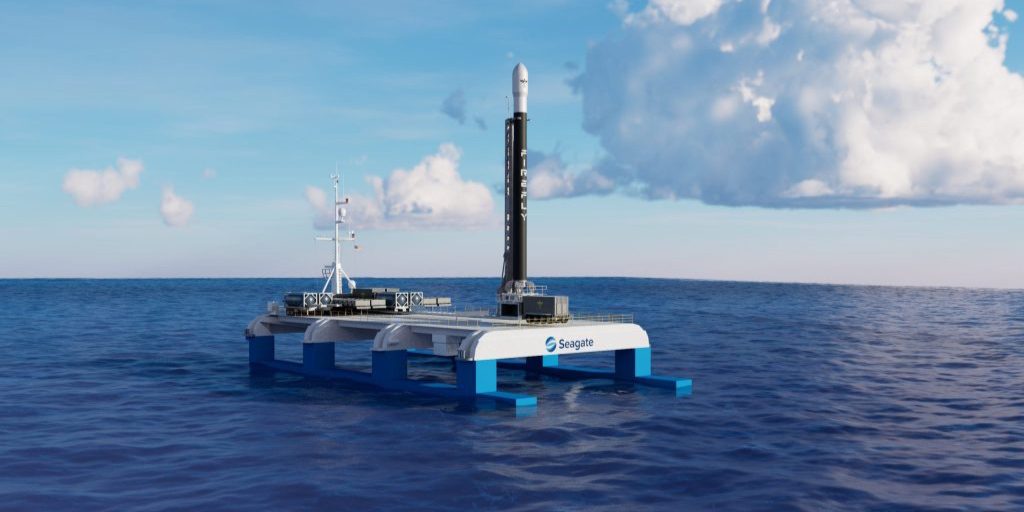
Florida’s aerospace development agency, Space Florida, has approved a strategic investment in Seagate Space, a St. Petersburg startup developing offshore launch infrastructure, signaling growing interest in ocean-based spaceports as launch demand continues to increase.
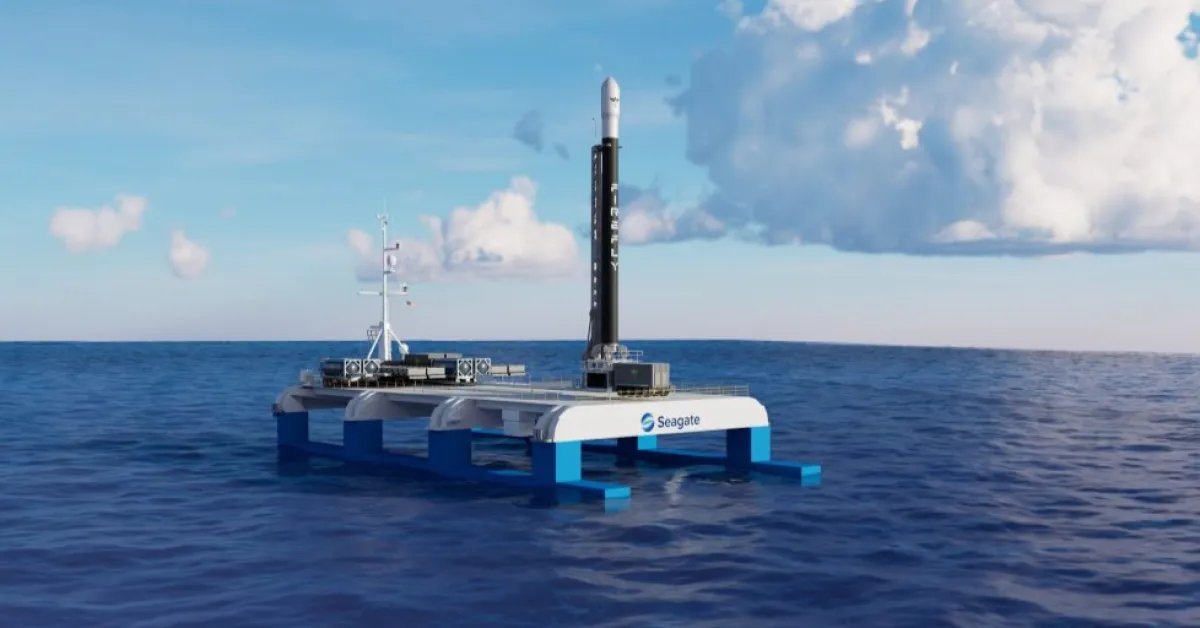
Announced June 2, Space Florida’s $270,000 investment supports Project Manta, a program intended to prototype and demonstrate key elements of Seagate Space’s offshore launch platform concept at Port Tampa Bay. Rather than building rockets, the company is focused on developing maritime infrastructure designed specifically to support launch operations at sea.
The move comes as Florida’s space industry experiences unprecedented growth. Launch activity from the Space Coast has expanded dramatically in recent years, with SpaceX, Blue Origin, United Launch Alliance, along with national security missions and Amazon Leo, competing for access to limited facilities and range resources. Supporters of offshore launch argue sea-based platforms could eventually supplement existing infrastructure while providing additional flexibility for future launch operators.
For Space Florida, the investment represents a bet on the next generation of launch infrastructure. Project Manta is envisioned as a mobile offshore platform designed to support launch operations away from traditional spaceports. Seagate Space has previously announced partnerships and technical milestones, including hydrodynamic testing at Massachusetts Institute of Technology facilities and receipt of “Approval in Principle” from the American Bureau of Shipping – a preliminary safety validation of the engineering design.
The concept is not new. The most prominent example was Sea Launch, an international venture that operated from a converted ocean platform beginning in the late 1990s. The company successfully conducted dozens of missions before ultimately succumbing to financial challenges and changing market conditions by the early-2010s.
More recently, SpaceX explored offshore launch concepts after acquiring two former oil rigs known as Phobos and Deimos. The company later abandoned those plans as it focused development efforts elsewhere.
Those examples highlight one of the central questions surrounding offshore launch: If the concept has existed for decades, why hasn’t it become mainstream?
Supporters argue today’s environment is fundamentally different. Launch demand is rising rapidly, satellite constellations continue to expand, and pressure on existing launch infrastructure is increasing. Offshore platforms could potentially offer access to launch trajectories that are difficult to achieve from fixed locations while reducing some constraints associated with crowded coastal launch sites.
Skeptics, however, point to the significant technical, regulatory, and economic hurdles that remain. Building and operating a launch platform at sea presents unique engineering challenges. Launch operators must account for weather, ocean conditions, maritime logistics, environmental regulations, and safety requirements. Questions also remain regarding long-term commercial viability and whether offshore infrastructure can compete economically with established land-based facilities.
The project also raises broader questions about public investment in emerging space technologies. Supporters view Space Florida’s participation as a natural extension of the agency’s mission to foster aerospace innovation and create high-tech jobs throughout the state. Critics question how much public funding should be directed toward concepts that remain in early development stages.
Environmental considerations are likely to become another area of discussion as offshore launch concepts mature. While operating farther from populated areas could reduce certain concerns, future projects would still need to address potential impacts on marine ecosystems, shipping lanes, fisheries, and coastal resources.
For now, Seagate Space remains in the prototype and development phase, meaning many of those questions remain unanswered. What is clear is that Florida is positioning itself not only as the nation’s busiest launch region, but also as a testing ground for new approaches to accessing space.
Whether offshore launch becomes a major part of that future remains uncertain. But with Space Florida’s investment in Project Manta, the debate over ocean-based spaceports has officially returned to the forefront of the industry’s conversation.


FTC: We use income earning auto affiliate links. More.
Florida’s aerospace development agency, Space Florida, has approved a strategic investment in Seagate Space, a St. Petersburg startup developing offshore launch infrastructure, signaling growing interest in ocean-based spaceports as launch demand continues to increase.
Announced June 2, Space Florida’s $270,000 investment supports Project Manta, a program intended to prototype and demonstrate key elements of Seagate Space’s offshore launch platform concept at Port Tampa Bay. Rather than building rockets, the company is focused on developing maritime infrastructure designed specifically to support launch operations at sea.
The move comes as Florida’s space industry experiences unprecedented growth. Launch activity from the Space Coast has expanded dramatically in recent years, with SpaceX, Blue Origin, United Launch Alliance, along with national security missions and Amazon Leo, competing for access to limited facilities and range resources. Supporters of offshore launch argue sea-based platforms could eventually supplement existing infrastructure while providing additional flexibility for future launch operators.
For Space Florida, the investment represents a bet on the next generation of launch infrastructure. Project Manta is envisioned as a mobile offshore platform designed to support launch operations away from traditional spaceports. Seagate Space has previously announced partnerships and technical milestones, including hydrodynamic testing at Massachusetts Institute of Technology facilities and receipt of “Approval in Principle” from the American Bureau of Shipping – a preliminary safety validation of the engineering design.
The concept is not new. The most prominent example was Sea Launch, an international venture that operated from a converted ocean platform beginning in the late 1990s. The company successfully conducted dozens of missions before ultimately succumbing to financial challenges and changing market conditions by the early-2010s.
More recently, SpaceX explored offshore launch concepts after acquiring two former oil rigs known as Phobos and Deimos. The company later abandoned those plans as it focused development efforts elsewhere.
Those examples highlight one of the central questions surrounding offshore launch: If the concept has existed for decades, why hasn’t it become mainstream?
Supporters argue today’s environment is fundamentally different. Launch demand is rising rapidly, satellite constellations continue to expand, and pressure on existing launch infrastructure is increasing. Offshore platforms could potentially offer access to launch trajectories that are difficult to achieve from fixed locations while reducing some constraints associated with crowded coastal launch sites.
Skeptics, however, point to the significant technical, regulatory, and economic hurdles that remain. Building and operating a launch platform at sea presents unique engineering challenges. Launch operators must account for weather, ocean conditions, maritime logistics, environmental regulations, and safety requirements. Questions also remain regarding long-term commercial viability and whether offshore infrastructure can compete economically with established land-based facilities.
The project also raises broader questions about public investment in emerging space technologies. Supporters view Space Florida’s participation as a natural extension of the agency’s mission to foster aerospace innovation and create high-tech jobs throughout the state. Critics question how much public funding should be directed toward concepts that remain in early development stages.
Environmental considerations are likely to become another area of discussion as offshore launch concepts mature. While operating farther from populated areas could reduce certain concerns, future projects would still need to address potential impacts on marine ecosystems, shipping lanes, fisheries, and coastal resources.
For now, Seagate Space remains in the prototype and development phase, meaning many of those questions remain unanswered. What is clear is that Florida is positioning itself not only as the nation’s busiest launch region, but also as a testing ground for new approaches to accessing space.
Whether offshore launch becomes a major part of that future remains uncertain. But with Space Florida’s investment in Project Manta, the debate over ocean-based spaceports has officially returned to the forefront of the industry’s conversation.
FTC: We use income earning auto affiliate links. More.