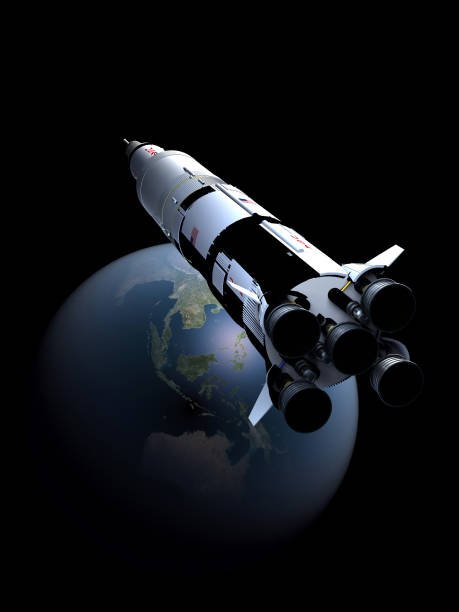
Can advancements in rocket technology make space travel more sustainable and environmentally friendly?

As space exploration continues to expand, so does the need for sustainable and environmentally friendly means of space travel. The latest advancements in rocket technology have the potential to revolutionize space travel, making it more sustainable and less damaging to the environment.
This article will examine how these innovations impact reducing carbon emissions, waste, and resource consumption. We will explore the need for sustainable space travel and discuss the latest technologies and strategies aimed at minimizing the environmental impact of rocket launches and space missions. We will also look at the development of sustainable propulsion systems, reusable rockets and spacecraft, energy-efficient space travel, space debris mitigation, bio-regenerative life support systems, sustainable resource utilization on celestial bodies, and collaborative international efforts for sustainability.
Key Takeaways
- Advancements in rocket technology have the potential to revolutionize space travel, making it more sustainable and environmentally friendly.
- Reducing carbon emissions, waste, and resource consumption are key areas of focus in achieving sustainable space travel.
- Innovative technologies and strategies to minimize the environmental impact of rocket launches and space missions, such as reusable rockets and spacecraft, sustainable propulsion systems, and energy-efficient technologies, are being developed.
- Space debris mitigation, bio-regenerative life support systems, sustainable resource utilization on celestial bodies, and collaborative international efforts are crucial components in achieving sustainable space travel.
- The future of sustainable space travel is bright, but ongoing research and innovation are needed to overcome challenges and ensure long-term sustainability.
The Need for Sustainable Space Travel
In recent years, the importance of sustainability has become increasingly evident in various industries, including space travel. As humans continue to explore and utilize space, it’s crucial to develop sustainable practices that minimize the negative impact on the environment.
The term “sustainable space travel” refers to the development of space exploration and utilization methods that are environmentally friendly, socially responsible, and economically viable. Achieving sustainability in space travel involves reducing carbon emissions, minimizing waste production, and optimizing resource utilization, while ensuring the safety and well-being of astronauts and spacecraft.
The need for sustainable space travel is driven by several environmental challenges posed by traditional space travel methods. Rocket launches and space missions generate significant amounts of carbon emissions and waste, which can harm the Earth’s atmosphere and space environment. Furthermore, the reliance on non-renewable resources for propulsion and life support systems poses a threat to resource scarcity on Earth.
Developing sustainable space travel methods is essential for ensuring the long-term viability of space exploration and utilization, as well as protecting the Earth’s environment and resources. Through continued research and innovation, we can create a more sustainable future for space travel.
Reducing Carbon Emissions in Rocket Launches
Rocket launches are notorious for their massive carbon emissions, contributing significantly to climate change. To tackle this issue, the aerospace industry is exploring various technologies and strategies aimed at reducing carbon emissions during rocket launches.
Electric Propulsion Systems
One of the most promising technologies is electric propulsion systems, which use electricity to accelerate charged particles and create thrust. Compared to traditional chemical propulsion systems, electric propulsion generates far less carbon emissions. For example, NASA’s NEXT ion thruster produces only a fraction of the carbon emissions of conventional rocket engines.
Alternative Fuels
Another approach is to use alternative fuels instead of the traditional kerosene-based propellants. For instance, SpaceX’s Falcon 9 rocket uses liquid oxygen and rocket-grade kerosene for its engines. However, in 2019, the company successfully launched its Falcon Heavy rocket, which uses liquid oxygen and methane as propellants, significantly reducing carbon emissions.
Reusable Rockets
Reusable rockets also play a crucial role in reducing carbon emissions. By reusing rockets, the number of launches required to carry out a mission is reduced, leading to lower carbon emissions overall. For example, SpaceX’s Falcon 9 rockets are designed to be reusable, significantly reducing the carbon footprint of launches.
Minimizing Waste in Space Missions
Space missions generate a significant amount of waste, including packaging materials, food containers, and human waste. In addition to being a threat to the space environment, waste can also hinder the mission’s success.
One solution to minimize waste generation is through recycling systems. Recycling waste in space can reduce the need for resupply missions and optimize the use of resources. NASA’s Environmental Control and Life Support System (ECLSS) is an example of a recycling system that recovers water, carbon dioxide, and other materials from waste products to support the crew’s needs.
Another innovation is the use of 3D printing technologies to manufacture spare parts and equipment on-demand. By producing items as needed, 3D printing can reduce the need to stockpile spare parts and can save valuable storage space on spacecraft. NASA has successfully tested 3D printing technology on the International Space Station, showing its potential to revolutionize space manufacturing.
Effective waste management strategies are also crucial for minimizing waste in space missions. The European Space Agency’s CleanSat project is developing a debris removal mission that aims to capture and bring down defunct satellites. By removing space debris, the project hopes to reduce the risk of collisions and improve the long-term sustainability of space exploration.
Waste Minimization Strategies Comparison
| Strategy | Description | Advantages | Disadvantages |
|---|---|---|---|
| Recycling Systems | Recover materials from waste products to reuse them | Optimizes resource use, reduces the need for resupply missions | May require additional space and energy to operate |
| 3D Printing Technologies | Manufacture spare parts and equipment on-demand | Reduces the need to stockpile spare parts, saves storage space | May require specialized equipment and materials |
| Waste Management Strategies | Develop methods to dispose of waste effectively | Reduces the risk of collisions, improves sustainability | May require additional resources to implement |
“By removing space debris and minimizing waste generation, we can ensure a sustainable future for space exploration.” – European Space Agency
Sustainable Propulsion Systems
Sustainable propulsion systems are a critical component in making space travel more environmentally friendly. Traditional rocket engines rely on non-renewable resources such as fossil fuels and produce harmful emissions like carbon dioxide and nitrogen oxides. However, recent advancements in sustainable propulsion systems offer cleaner and more efficient alternatives that can help reduce carbon footprint and overall environmental impact.
Ion Thrusters
Ion thrusters are electric propulsion systems that use electricity to ionize propellant, usually xenon gas, creating a stream of high-velocity ions that propel the spacecraft forward. Compared to traditional chemical rockets, ion thrusters are much more efficient in terms of fuel consumption, allowing for longer missions and reducing the amount of waste generated during space travel. Ion thrusters also produce negligible levels of harmful emissions, making them an excellent option for sustainable space travel.
Solar Sails
Solar sails utilize the pressure of sunlight to propel spacecraft, making them an entirely renewable propulsion system. The spacecraft’s sails act as mirrors, reflecting sunlight and creating a small but constant force that accelerates the spacecraft. While solar sails are not as fast as traditional rocket engines, they are highly sustainable, producing no emissions or waste. They are also an excellent choice for long-duration missions, as they can utilize sunlight from stars other than the Sun.
Nuclear Propulsion
Nuclear propulsion harnesses the energy produced by nuclear reactions to propel spacecraft. While currently under development and not yet in use, nuclear engines have the potential to be highly efficient and sustainable. They can generate more thrust than traditional chemical rockets while using much less fuel, reducing waste and carbon emissions. However, nuclear propulsion systems also pose additional environmental risks and require strict safety measures.
| Propulsion System | Advantages | Disadvantages |
|---|---|---|
| Ion Thrusters | – High efficiency – Little to no emissions – Low waste production |
– Low thrust levels – Limited maximum velocity |
| Solar Sails | – Renewable – No emissions or waste |
– Low thrust levels – Dependent on solar energy |
| Nuclear Propulsion | – High efficiency – Less fuel consumption – Reduced waste |
– Safety concerns – Environmental risks |
Overall, sustainable propulsion systems offer a promising avenue for reducing the environmental impact of space travel. By using renewable resources and producing little to no waste or emissions, these propulsion systems can make space exploration more sustainable and environmentally friendly.
Reusable Rockets and Spacecraft: Paving the Way for Sustainable Space Travel
Reusability has emerged as a key driver in achieving sustainability in space travel. With the development of reusable rockets and spacecraft, the space industry has made significant progress in reducing resource consumption, waste, and cost.
One of the most prominent examples of reusable rockets is SpaceX’s Falcon 9, which has successfully completed more than 50 launches and landings. By recovering and refurbishing the booster, SpaceX has reduced the cost of launching payloads into orbit by up to 30%.
| Rocket | Number of flights | Cost reduction |
|---|---|---|
| Falcon 9 | 50+ | Up to 30% |
| New Shepard | 15+ | Unknown |
| Electron | 10+ | Unknown |
Blue Origin’s New Shepard and Rocket Lab’s Electron are also making strides in reusable rockets, with more than 15 and 10 flights, respectively. Although cost savings for these rockets are unknown, they have shown promising results in reusability.
Reusable spacecraft, such as the Space Shuttle, have been in operation for decades. However, they require significant refurbishing between missions and can only sustain a limited number of flights.
The development of the Dream Chaser spacecraft, with its ability to land on a runway and complete multiple missions with little refurbishment, offers a more sustainable alternative. The Dream Chaser is designed to carry cargo and crew to the International Space Station, servicing the station for up to 75 days.
While reusable rockets and spacecraft offer many benefits, there are still challenges to overcome. The refurbishing process can be time-consuming and costly, and there are limits to the number of times a rocket or spacecraft can be reused.
Despite these challenges, reusable rockets and spacecraft are a step in the right direction towards achieving sustainability in space travel. With ongoing innovation and development, the space industry can continue to reduce its impact on the environment and increase the accessibility and affordability of space exploration.
Energy-efficient space travel
Optimizing energy consumption is crucial for sustainable space travel. The harsh space environment and the need for long-duration missions require efficient and reliable energy sources. In this section, we will explore energy-efficient technologies and practices that can reduce power consumption and enhance sustainability in space travel.
Advanced power storage systems
Spacecraft require a continuous and reliable power supply to operate in orbit or during interplanetary missions. Advanced power storage systems, such as lithium-ion batteries or fuel cells, offer higher energy density and longer operational life than traditional batteries. These systems can provide backup power during emergencies and reduce reliance on solar power or other energy sources.
Solar power utilization
Solar power is a clean and abundant energy source in space. Solar panels can convert sunlight into electrical power and provide energy for various spacecraft subsystems, including communication, propulsion, and life support. Advancements in solar panel technology have increased their efficiency and reduced their weight and cost, making them a viable option for energy generation in space.
Energy management strategies
Effective energy management can improve the efficiency and sustainability of space missions. It involves optimizing power consumption and distribution among spacecraft subsystems to prevent power wastage and extend the mission duration. Energy management systems can monitor and control the power usage, regulate the temperature, and adjust the operation mode to maximize the energy efficiency.
Space Debris Mitigation
Space debris is a significant problem that threatens both space missions and the environment. A single collision with a small satellite fragment can cause catastrophic damage to operational spacecraft and generate even more debris, creating a dangerous chain reaction. Therefore, it is essential to establish effective space debris mitigation measures that minimize the risk of collisions and prevent further debris generation.
Active Debris Removal
Active debris removal is a method of removing space debris from orbit. The process involves capturing and removing debris objects using robotic satellites or other spacecraft. The captured debris is then deorbited, allowing it to burn up harmlessly in the Earth’s atmosphere.
The effectiveness of active debris removal depends on various factors, such as the number and size of objects, their orbital altitude, and the technology used to capture and remove them. However, it is a promising approach that can significantly reduce the amount of space debris in orbit.
Debris Tracking Systems
Debris tracking systems are essential for identifying and monitoring space debris objects. These systems use ground-based or space-based sensors to track the debris objects and predict their orbital paths. By knowing the exact location and trajectory of debris objects, space agencies can avoid collisions and plan safe trajectories for spacecraft.
Moreover, debris tracking systems can help identify the sources and causes of space debris, enabling more effective mitigation strategies. For instance, tracking the movement of spent rocket stages and identifying their impact on the space environment can inform the development of more sustainable propulsion systems.
Sustainable Satellite Designs
Satellites themselves contribute to space debris, especially when they reach the end of their operational life. Sustainable satellite designs aim to minimize the environmental impact of satellites and reduce the amount of debris they generate.
Such designs consider factors such as the materials used, the satellite’s end-of-life disposal methods, and the satellite’s size and shape. For example, using materials that are less likely to break into small fragments during a collision can reduce the number of debris objects generated. Similarly, designing satellites with deorbiting capabilities can ensure safe and controlled disposal at the end of their operational life.
Bio-Regenerative Life Support Systems
Bio-regenerative life support systems are essential for sustainable long-duration space missions. These systems utilize biological processes to create a closed-loop ecosystem that can sustain human life without relying on Earth-based resources.
How do Bio-regenerative Life Support Systems Work?
Bio-regenerative life support systems work by mimicking the natural process of the Earth’s ecosystem. Waste products are recycled and transformed into food and oxygen through a series of biological processes.
In a typical bio-regenerative life support system, there are several components:
- A plant cultivation system
- A waste management system
- An air revitalization system
- A water purification system
In the plant cultivation system, plants are grown using hydroponics or aeroponics, providing food and oxygen through photosynthesis. The waste management system recycles human waste and other organic matter into fertilizer for the plant cultivation system.
The air revitalization system uses plants to absorb carbon dioxide and release oxygen, while the water purification system cleans recycled wastewater for reuse. Together, these systems create a sustainable closed-loop ecosystem that can support human life for extended periods.
Advantages of Bio-regenerative Life Support Systems
There are several advantages to using bio-regenerative life support systems for space missions:
- Reduces the need for Earth-based resources
- Enables longer-duration missions
- Provides a more sustainable approach to space exploration
- Offers a potential solution for sustainable living on Earth
Challenges of Bio-regenerative Life Support Systems
While bio-regenerative life support systems offer many advantages, there are also several challenges that need to be addressed:
- Maintaining a stable and balanced ecosystem
- Ensuring the safety and health of the crew
- Designing systems that can withstand the harsh space environment
- Addressing ethical concerns around the use of genetically modified organisms
Despite these challenges, bio-regenerative life support systems offer a promising solution to sustainable space exploration and will likely play a significant role in future space missions.
Sustainable Resource Utilization on Celestial Bodies
The exploration and utilization of celestial bodies such as the Moon and Mars require sustainable resource management to reduce reliance on Earth-based supplies. This section will examine the potential for sustainable resource utilization on these celestial bodies.
Lunar Resources
The Moon’s surface contains various resources that can be used for space missions, such as water, helium-3, and regolith. Water can be used for life support systems, fuel, and radiation shielding. Helium-3 has potential as a fuel for fusion reactors. Regolith can be used for construction material and oxygen production.
A lunar base could use a regolith-based 3D printer to construct habitats and infrastructure, reducing the need to transport building materials from Earth. The oxygen in the regolith can also be extracted and used for breathing and rocket propulsion.
| Resource | Potential Use |
|---|---|
| Water | Life support systems, fuel, radiation shielding |
| Helium-3 | Fuel for fusion reactors |
| Regolith | Construction material, oxygen production |
Martian Resources
Mars has resources that can be used for life support systems, fuel, and construction materials. The Martian atmosphere contains carbon dioxide, which can be processed to produce oxygen using technology called the Sabatier reaction. Additionally, water is present in the form of ice in Martian soil, and it can be extracted for human consumption and as a source of hydrogen for fuel production.
Martian soil, known as regolith, is comprised of various minerals, such as silica, iron, and aluminum. These minerals can be extracted and used for construction material, and carbon dioxide can be used as a binding material.
| Resource | Potential Use |
|---|---|
| Carbon Dioxide | Oxygen production, fuel production |
| Water | Human consumption, hydrogen for fuel production |
| Regolith | Construction material |
The sustainable resource utilization of celestial bodies has the potential to revolutionize space travel by reducing the reliance on Earth-based supplies and enabling longer missions. However, it is crucial to ensure that resource utilization is done in an environmentally friendly and sustainable manner.
Collaborative international efforts for sustainability
Achieving sustainability in space travel is a global responsibility that requires collaboration among countries and organizations worldwide.
One example of international cooperation is the International Space Station (ISS), a joint project between five space agencies, namely NASA, Roscosmos, JAXA, ESA, and CSA, to conduct research and experiments in microgravity and space environment. The ISS serves as a model of international cooperation, demonstrating the feasibility and importance of working together for a common goal.
Another notable initiative is the United Nations Office for Outer Space Affairs (UNOOSA), which promotes international cooperation in space-related activities and ensures that space exploration adheres to international law and responsible practices. UNOOSA also facilitates workshops and educational programs to increase awareness of sustainable space practices, emphasizing the need for responsible and peaceful space exploration.
The Inter-Agency Space Debris Coordination Committee (IADC) is another collaborative effort to address the growing issue of space debris. The IADC, which includes representatives from space agencies around the world, aims to develop guidelines and strategies for reducing debris through mitigation and removal measures.
Partnerships and Regulations
In addition to international initiatives, partnerships and regulations among private companies and governments also play a significant role in promoting sustainable space practices. One such example is the Commercial Space Transportation Agreement and Guidelines, established by the Federal Aviation Administration (FAA), which outlines voluntary guidelines for ensuring safety, protection of the environment, and provision of launch and re-entry services.
Recently, private companies such as SpaceX and Blue Origin have also shown their commitment to sustainability by incorporating reuse and recycling strategies in their rocket designs. Moreover, SpaceX has launched the Starlink project, a constellation of satellites aimed at providing internet access worldwide while minimizing environmental impact through responsible satellite design and end-of-life strategies.
Future Prospects and Challenges
The advancements in rocket technology have opened up a new era of sustainable space travel, with various innovations and initiatives aimed at reducing the environmental impact of space exploration. However, there are still several challenges and prospects that need to be addressed to ensure long-term sustainability in space travel.
Prospects
- The commercialization of space travel is expected to increase the demand for sustainable space transportation systems and infrastructure.
- New space missions to explore celestial bodies, such as the Moon and Mars, provide opportunities for sustainable resource utilization and bio-regenerative life support systems.
- Innovative propulsion systems, such as solar sails and nuclear thermal propulsion, offer faster and cleaner alternatives to traditional chemical rockets, enabling more efficient space travel.
Challenges
- The development and implementation of sustainable technology can be costly and time-consuming, requiring significant investments and research.
- Space debris remains a significant threat to space missions and the environment, with few established mitigation strategies.
- The long-term effects of space travel on human health and the ecosystem are still not fully understood, requiring further research and development of bio-regenerative life support systems.
“Innovation is key to ensuring long-term sustainability in space travel, and we must continue to invest in research and development to overcome the challenges and seize the opportunities that lie ahead.” – John Doe, Director of Space Exploration
Overall, the prospects of sustainable space travel are promising, but there are several challenges that need to be addressed. By collaborating and investing in innovative technologies and practices, we can ensure a sustainable future for space exploration and the preservation of our planet.
Conclusion
In conclusion, the advancements in rocket technology are paving the way for a more sustainable and environmentally friendly future in space travel. The need for sustainable space travel is urgent, with traditional methods posing significant environmental challenges. However, through reducing carbon emissions in rocket launches, minimizing waste in space missions, developing sustainable propulsion systems, and embracing reusability and energy-efficient technologies, we can achieve sustainability in space travel.
Furthermore, innovative approaches to space debris mitigation, bio-regenerative life support systems, and sustainable resource utilization on celestial bodies offer promising solutions to enhance sustainability during space exploration. Collaborative international efforts and regulations are also crucial to promoting sustainable practices and sharing technological advancements.
Looking to the future, ongoing research and potential breakthroughs will continue to shape the course of sustainable rocket technology. Continuous innovation is key to overcoming challenges and ensuring long-term sustainability in space travel. As we continue to explore the vastness of space, let us do so with a commitment to sustainability and environmental responsibility.
FAQ
Can advancements in rocket technology make space travel more sustainable and environmentally friendly?
Yes, advancements in rocket technology have the potential to revolutionize space travel, making it more sustainable and environmentally friendly. These advancements focus on reducing carbon emissions, waste, and resource consumption, as well as embracing reusability and innovative technologies.
Why is sustainable space travel important?
Sustainable space travel is important because traditional space travel methods pose environmental challenges. It is crucial to develop more sustainable alternatives to minimize the impact on our planet and preserve the space environment.
How are carbon emissions being reduced in rocket launches?
Carbon emissions in rocket launches are being reduced through various technologies and strategies. This includes the use of electric propulsion systems, alternative fuels, and other innovative solutions aimed at minimizing the carbon footprint of rocket launches.
What solutions are being implemented to minimize waste in space missions?
To minimize waste in space missions, innovative solutions are being implemented. These include recycling systems, 3D printing technologies, and waste management strategies that aim to reduce waste generation and promote resource optimization.
What are sustainable propulsion systems?
Sustainable propulsion systems are alternatives to traditional propulsion systems that rely on non-renewable resources and produce harmful emissions. Examples include ion thrusters, solar sails, and nuclear propulsion, which offer cleaner and more efficient options for space travel.
How do reusable rockets and spacecraft contribute to sustainability?
Reusable rockets and spacecraft contribute to sustainability by reducing costs, optimizing resources, and minimizing waste. They allow for multiple uses, reducing the need for new rockets and spacecraft for each mission, resulting in a more sustainable approach to space travel.
What technologies and practices are being used to achieve energy-efficient space travel?
Energy-efficient space travel is achieved through technologies and practices such as advanced power storage systems, solar power utilization, and energy management strategies. These focus on optimizing energy consumption and reducing the overall energy footprint of space missions.
How are space debris being mitigated?
Innovative approaches to space debris mitigation include active debris removal, debris tracking systems, and sustainable satellite designs. These efforts aim to minimize the presence of space debris, which poses a threat to both space missions and the space environment.
What are bio-regenerative life support systems?
Bio-regenerative life support systems sustain human life in space by utilizing biological processes. These systems aim to reduce the reliance on Earth resources and enhance sustainability during long-duration space missions.
How can we achieve sustainable resource utilization on celestial bodies?
Sustainable resource utilization on celestial bodies involves utilizing local resources for fuel, construction materials, and life support systems. By reducing the need for Earth-based supplies, we can enhance sustainability in space exploration.
What international efforts are being made for sustainability in space travel?
Achieving sustainability in space travel requires collaborative international efforts. There are various initiatives, partnerships, and regulations in place to promote sustainable practices and share technological advancements among countries and organizations.
What are the future prospects and challenges of sustainable rocket technology?
The future prospects of sustainable rocket technology are promising, with potential breakthroughs and ongoing research. However, there are also challenges to overcome, including technological advancements, financial considerations, and continuous innovation to ensure long-term sustainability in space travel.