NASA Moves Closer to Building a Lunar Base With Three New Robotic Moon Missions
NASA has awarded three new robotic missions to the Moon, taking another step toward its goal of building a permanent lunar base. The nearly $600 million initiative comes as the agency keeps its long-term plans on track despite recent setbacks involving one of its commercial launch partners.
Before astronauts can spend extended periods on the Moon, NASA wants robots to do much of the groundwork. The newly announced missions will deliver cargo and scientific instruments that are expected to help prepare the surface for future human operations.
The contracts are part of a broader effort to reshape NASA’s lunar strategy. The new awards build on similar missions announced in May and support the agency’s decision to focus on developing infrastructure directly on the Moon rather than only in lunar orbit.
Robots Will Help Lay the Groundwork
NASA said Tuesday that three U.S. companies have been selected to transport cargo to the Moon. The agency will spend nearly $600 million on the missions, which will carry scientific instruments along with other equipment needed for future exploration. NASA’s Lori Glaze, who leads the Human Spaceflight Mission Directorate, explained that:
“These new awards to our commercial partners, totaling nearly $600 million to land more missions on the Moon with science payloads, demonstrate our commitment to accelerating our effort to build a long-term presence on the lunar surface, and give us more opportunity to develop the skills we need to prosper there.”
According to U.S Space Agency, these flights are meant to do more than deliver research payloads. The company plans to use robotic vehicles to begin building infrastructure that astronauts could eventually rely on. The idea is to prepare the site well before human crews arrive.
By launching these missions, NASA is further expanding its commercial partnership strategy for lunar exploration, with robots set to handle much of the early surface operations.
NASA Keeps Moving Despite Blue Origin’s Setback
The announcement comes after the explosion of Blue Origin’s New Glenn rocket earlier this year, an event that has complicated parts of NASA’s lunar program.
Agency officials acknowledged that the incident will likely delay some elements of the project. At the same time, NASA says it is looking at different ways to stay on schedule if necessary.
“We’re working with Blue Origin very closely to understand their timelines to recovery and also looking at other options in case it doesn’t meet our timeline,” Carlos Garcia-Galan, NASA’s program manager for the moon base, said during a media briefing.
His comments suggest the agency is trying to remain flexible while continuing to move the overall program forward.
The Lunar South Pole Remains The Destination
Earlier this year, NASA changed course after spending years developing the Gateway lunar space station. In March, the agency announced that it would instead place greater emphasis on building a base on the Moon’s surface, backing the effort with $20 billion.
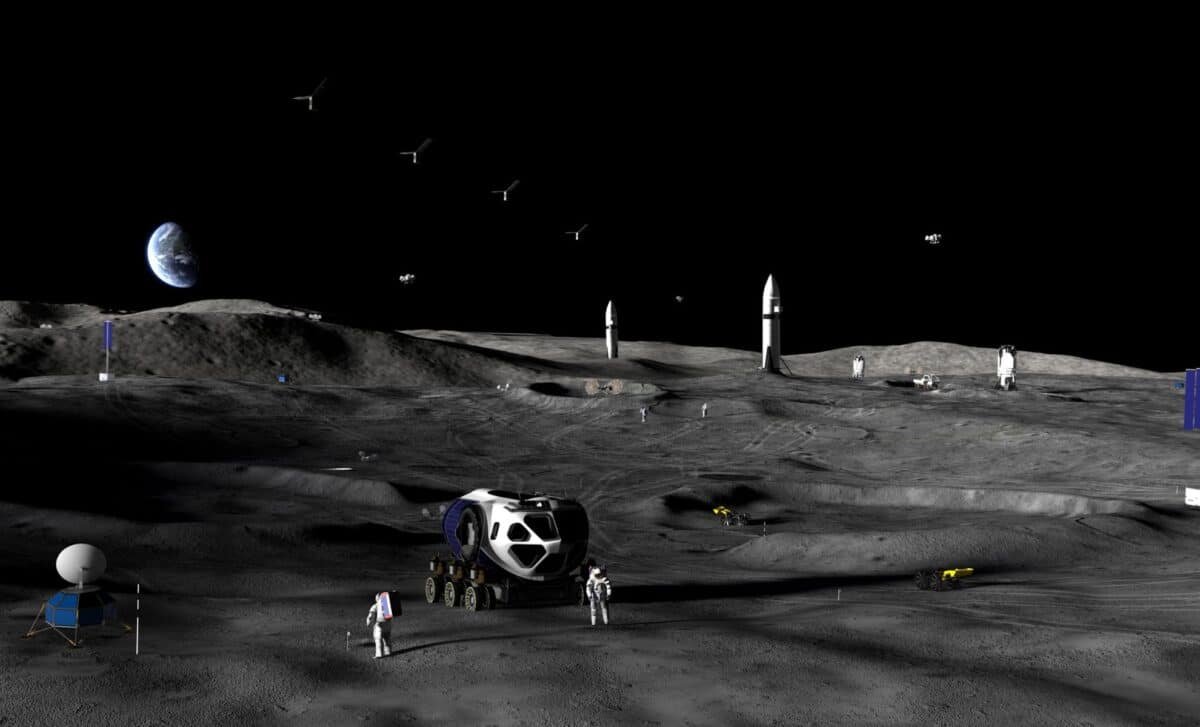
The future base is planned near the lunar south pole, where water ice has been identified in the soil. The construction could begin in 2029, with robotic missions helping prepare the area in advance.
“The Moon Base will be built in phases. NASA will begin with robotic missions that test new technologies and explore the lunar environment, then gradually build the systems and infrastructure needed to establish humanity’s first long-term presence on the Moon,” as stated the agency in a press release.

This vision includes lunar landers, rovers, and drones designed to survey the terrain and help establish critical infrastructure, including a power grid and pressurized habitats. During Tuesday’s announcement, NASA also said it is considering repurposing a Mars rover for use in the lunar program.
The agency noted that the project is also part of the United States’ broader effort to compete with China, which is pursuing its own plans to send astronauts to the Moon and establish a lunar base.