Galaxy Groups Hiding in the Universe’s Emptiest Places
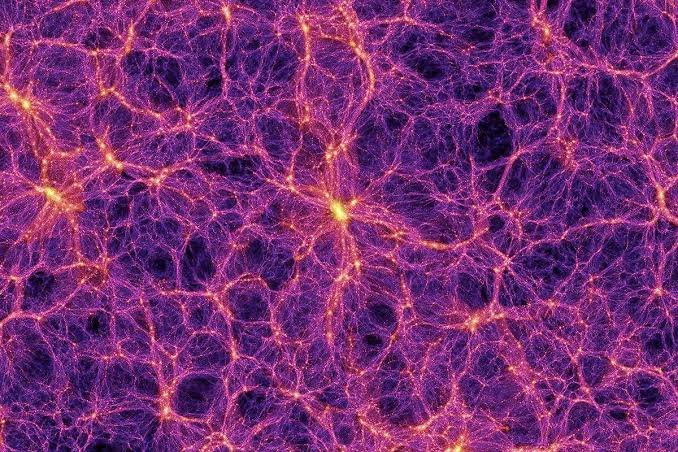
Imagine standing in the emptiest place the universe has to offer, a stretch of cosmic ocean so vast that light takes tens of millions of years to cross it, and yet still finding company. That is the puzzle behind a new study built on the Calar Alto Void Integral field Treasury surveY, or CAVITY. These voids are the great deserts of the universe, places where the matter our models of cosmological structure predict should be there has, under gravity’s gentle but relentless pull, drained away towards the walls and filaments that surround them. But deserts are never perfectly barren, and astronomers have long suspected that a scattering of galaxies still huddles together even in the loneliest of neighbourhoods.
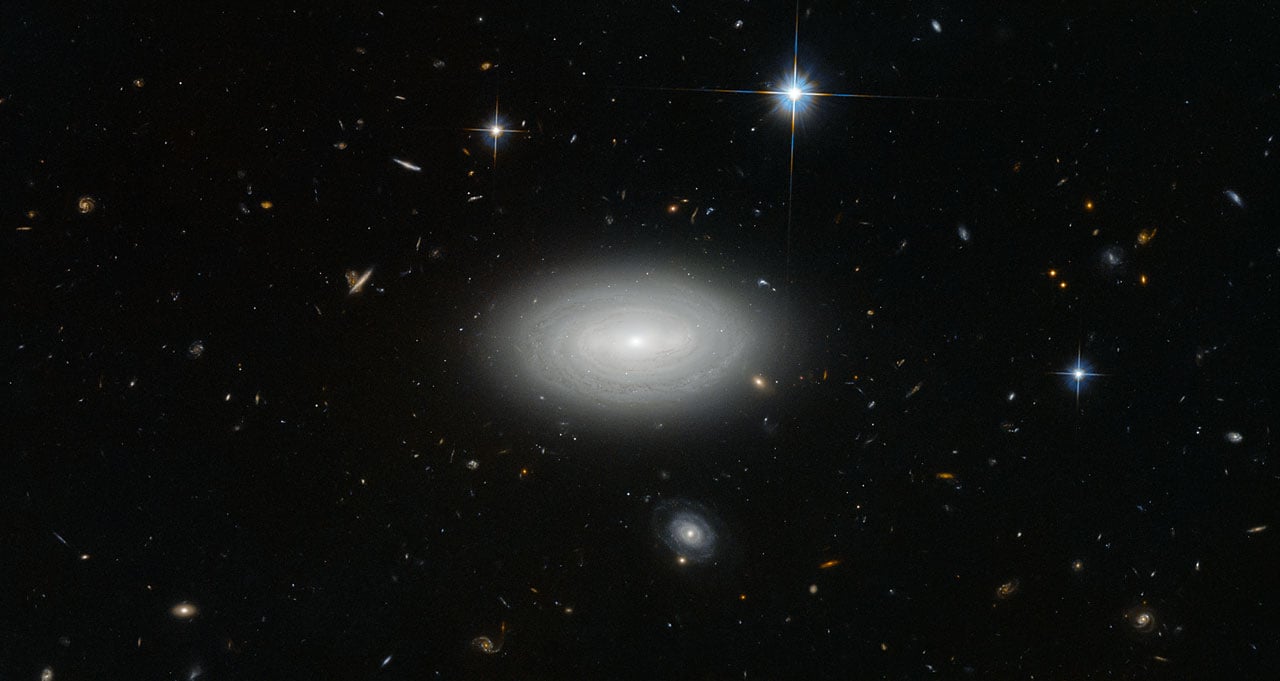
To find out how these galaxies organise themselves, the team applied what is known as a friends of friends algorithm to a well defined sample of void galaxies within 0.08 in redshift, essentially nearby in astronomical terms. The method works rather like tracing constellations – any two galaxies close enough, and moving similarly enough, are linked, and chains of such links build up into a group.
Run across the whole void sample, the algorithm picked out 1367 bound groups, totalling 3040 galaxies, alongside a much larger population of 14672 lone galaxies with no close neighbours at all. For comparison, the team built a control sample of galaxies sitting outside both voids and dense clusters, and the contrast is striking. Whereas most void galaxies, fifty nine per cent of them, turn out to be solitary singlets, sixty per cent of the control sample galaxies belong to a group. Voids, it seems, genuinely seem to discourage company.
Where groups do form within voids, the team measured how tightly bound and dynamically settled they are, using properties such as how large a region they span, how fast their members move relative to one another, and how long it would take a member to cross the group. The densest void groups found contain just six galaxies, modest indeed beside the crowded clusters and filaments that dominate denser parts of the universe. More tellingly, the groups in voids tend to be loose and youthful in their dynamical state, still finding their feet rather than having settled into the well mixed, gravitationally relaxed systems seen elsewhere. And curiously, how rich a group becomes shows no dependence on how empty the void around it is since a deep void can host a group just as readily as a shallow one.
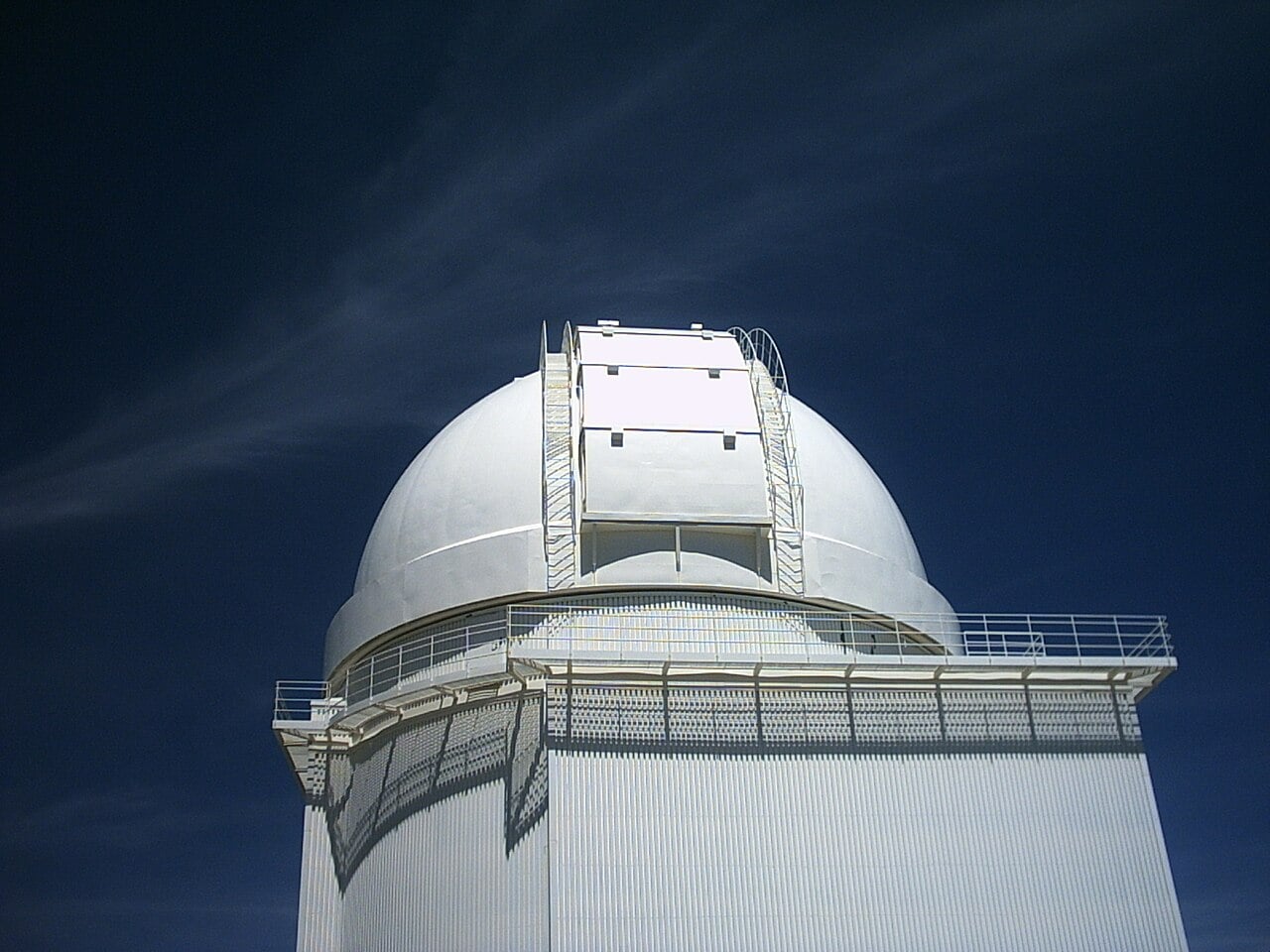 *One of the telescope domes of the Calar Alto Observatory*
What emerges is a picture of voids not as uniformly empty but as places where gravity still tries, gently and incompletely, to pull galaxies together, producing loose, early stage gatherings rather than mature communities. As surveys like CAVITY push deeper into these quiet corners of the universe, they are slowly revealing that even the universe’s emptiest voids have their own, sparse yet somewhat more sociable corners.
Source : Galaxy groups within voids