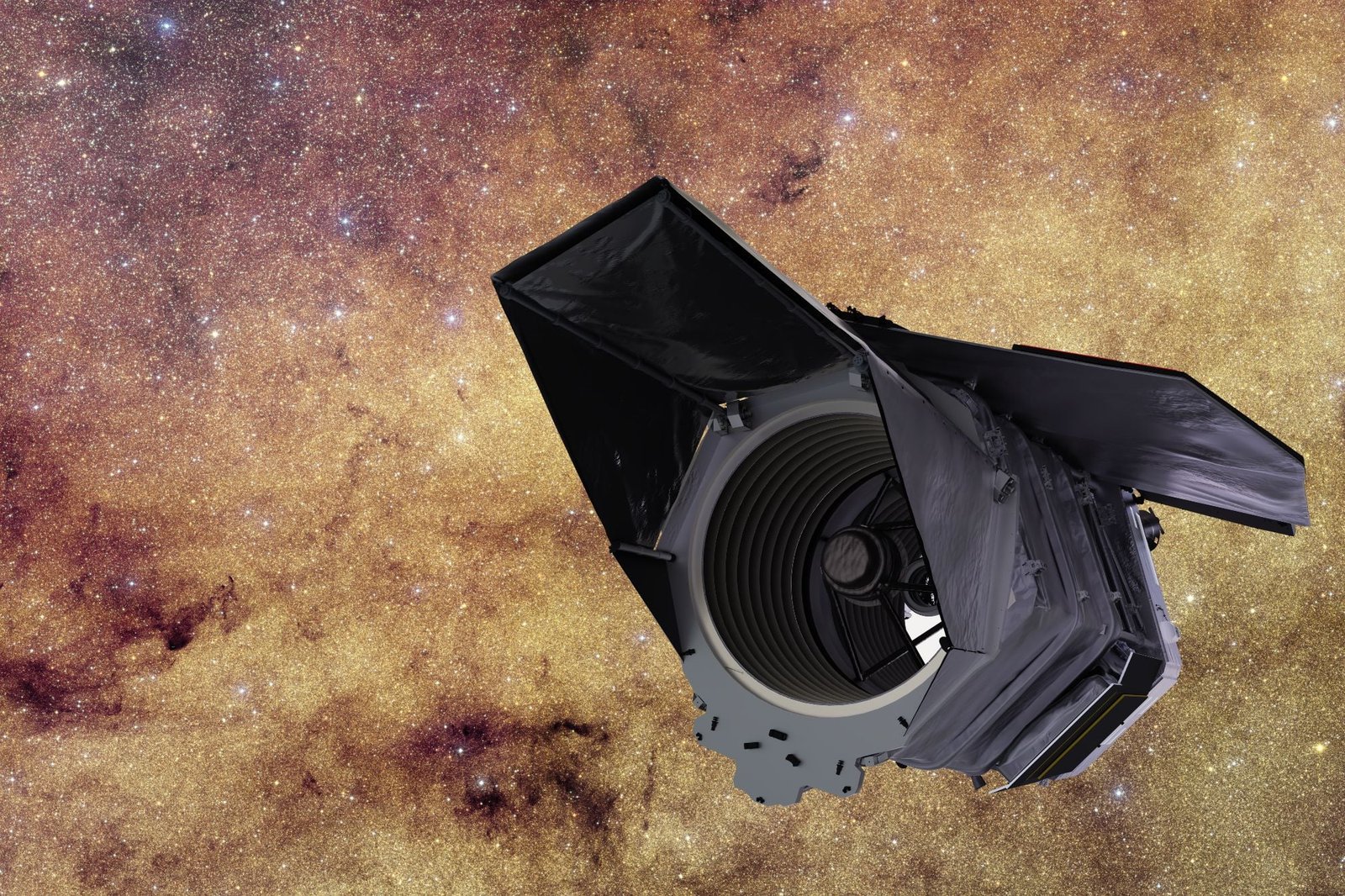
Euclid studies Milky Way center, supports future Roman observations
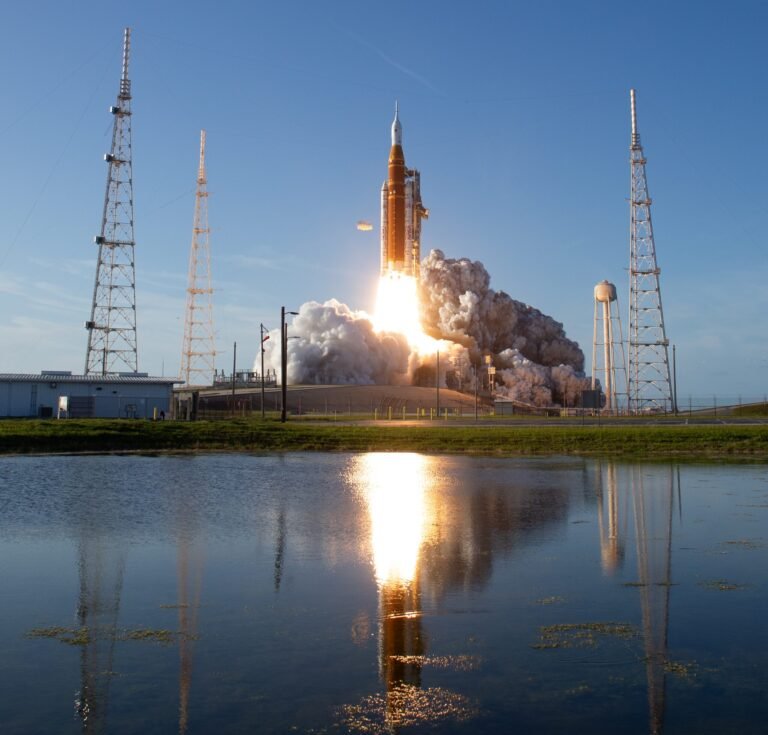
Even from a distance of several kilometres, the Artemis II rocket looked huge. Then, there was a moment that felt like an eternity, as around 2,600 metric tons of spacecraft lifted off. I was honoured to receive an invitation from the Canadian Space Agency to attend this historic launch at NASA’s Kennedy Space Center. I…
Una colección de artículos sobre investigación planetaria y exploración espacial en español. Una colección de artículos sobre investigación planetaria y exploración espacial en español.
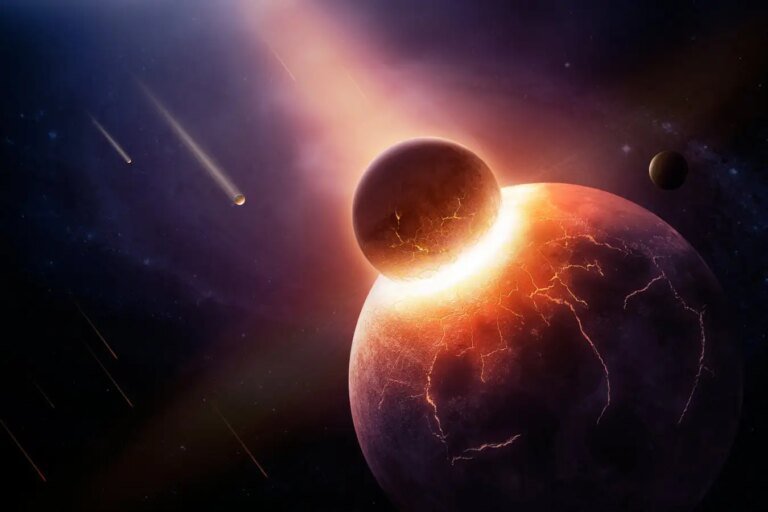
Shutterstock/Johan Swanepoel In the far reaches of the solar system, the planetary neighbourhood seems quiet. Beyond Jupiter, the sun is no longer a blazing disc, but a cold, white lamp. The planets are separated by gulfs of darkness. Light takes just 8 minutes to get from the sun to Earth, but typically more than an…
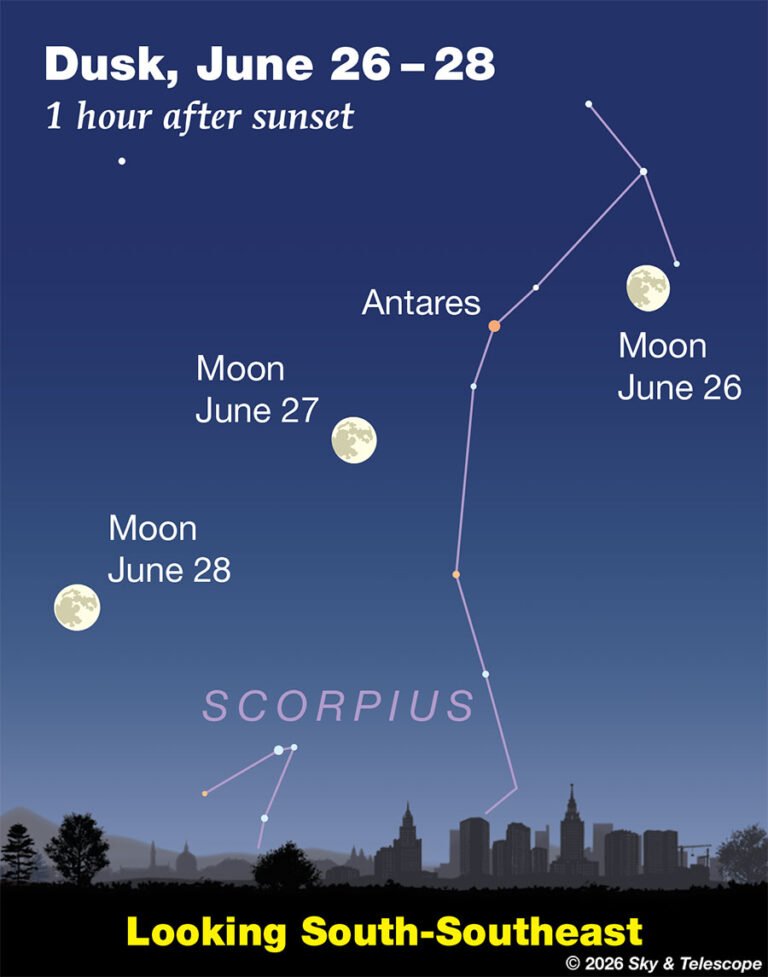
FRIDAY, JUNE 26 ■ This evening the Moon shines under the three-star head of summery Scorpius, as shown below. Orange Antares, the Scorpion’s 1st-magnitude heart, glimmers 5° or 6° to the Moon’s left. That’s about three finger-widths at arm’s length. By the time twilight ends and the night is fully dark, this scene will be…
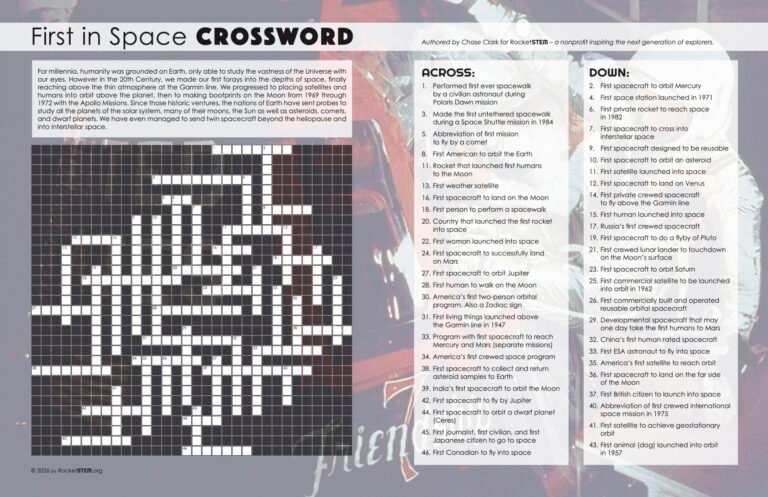
For millennia, humanity was grounded on Earth, only able to study the vastness of the Universe with our eyes. However in the 20th Century, we made our first forays into the depths of space, finally reaching above the thin atmosphere at the Garmin line. We progressed to placing satellites and humans into orbit above the…
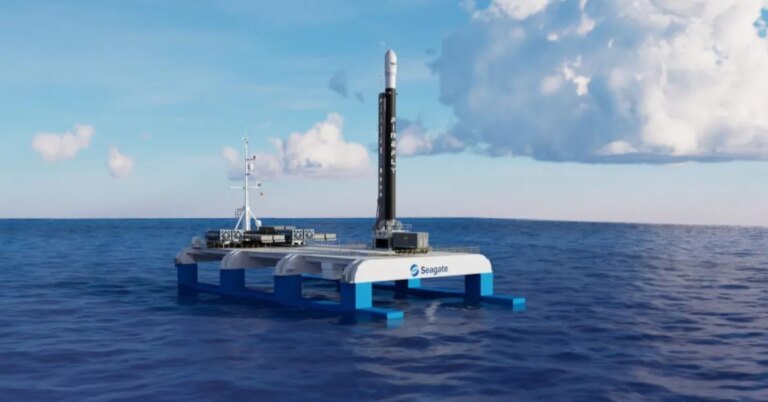
Image: Seagate Space Florida’s aerospace development agency, Space Florida, has approved a strategic investment in Seagate Space, a St. Petersburg startup developing offshore launch infrastructure, signaling growing interest in ocean-based spaceports as launch demand continues to increase. Announced June 2, Space Florida’s $270,000 investment supports Project Manta, a program intended to prototype and demonstrate key…